Choosing a care home for yourself or a loved one is one of life’s most important decisions. Families want to find somewhere that feels welcoming, provides the right level of support and offers a comfortable environment where residents can continue to enjoy life, maintain their independence and build meaningful relationships.
For those searching for a care home in Worthing or West Sussex, The Victoria Grand Care Home offers a welcoming residential setting where compassionate care, comfortable surroundings and a strong sense of community come together.
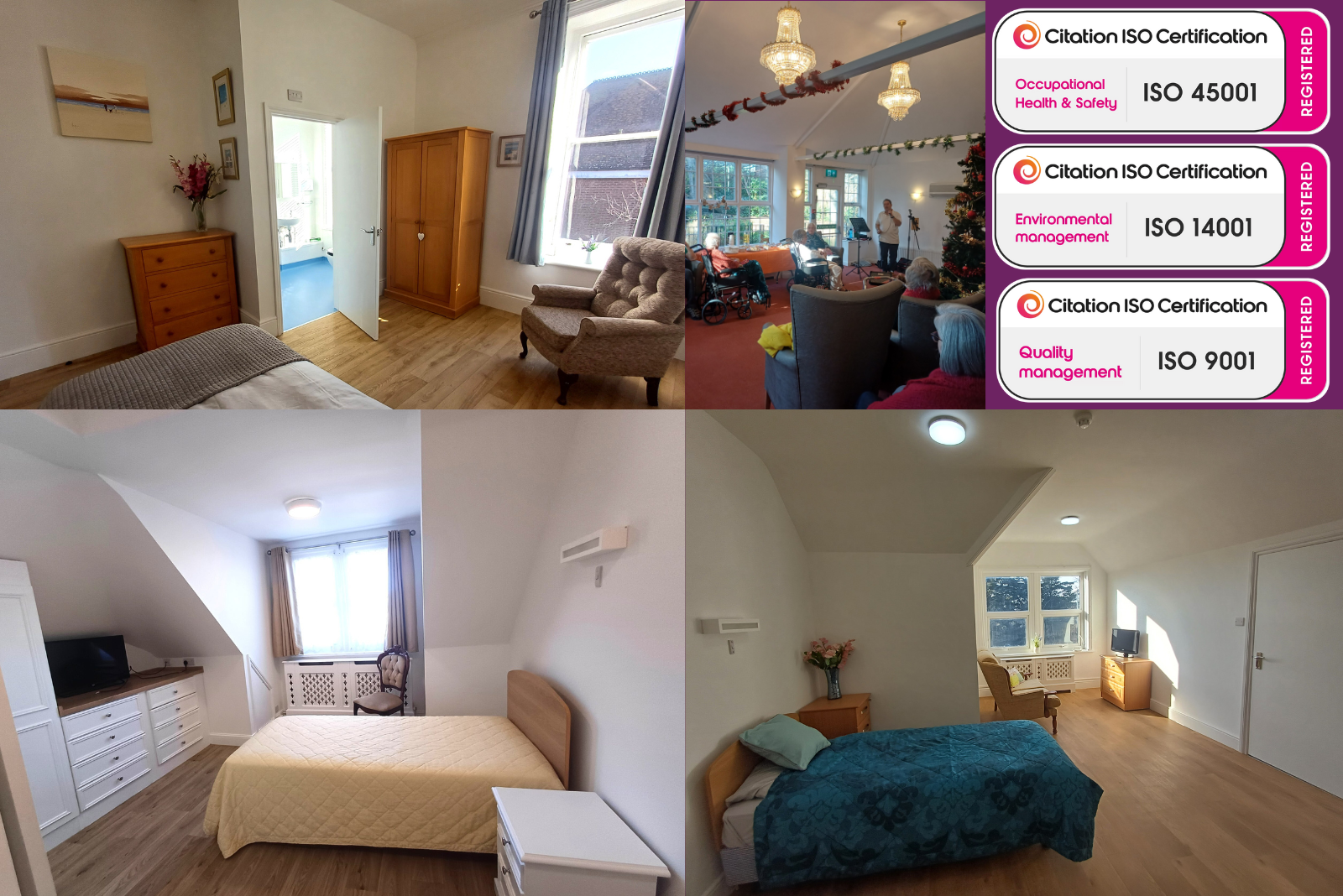
Over the past year, we have continued to invest in our home, refurbishing bedrooms, improving communal spaces and introducing additional safety features. With a number of newly refurbished rooms and suites available, we are welcoming enquiries from individuals and families exploring both respite care and long-term residential care in Worthing.
Whether you are planning ahead, looking for temporary support or considering a permanent move into residential care, we understand how important it is to find the right place.
A Care Home in Worthing That Continues to Evolve
At The Victoria Grand, we believe that a good care home should feel like much more than somewhere to live. It should be a place where people feel comfortable, respected and supported, with opportunities to enjoy their interests, spend time with others and make the most of each day.
That is why we have continued to invest in improvements throughout our home during 2025 and 2026.
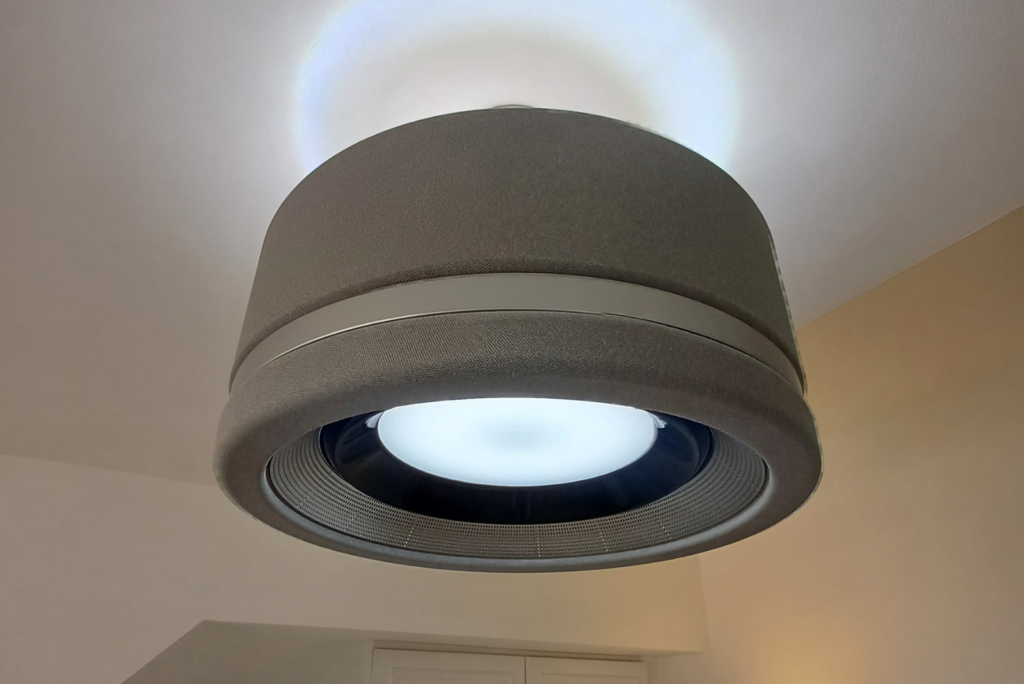
Our recent enhancements include newly refurbished bedrooms, updated bathroom facilities, improvements to our conservatory, refreshed communal areas and innovative Nobi smart lighting in selected rooms to support resident safety.
These improvements reflect our ongoing commitment to maintaining a comfortable, welcoming environment while recognising that the small details of everyday life can make a real difference.
You can read more about our recent investments in our dedicated article: Transforming Care and Comfort: The Victoria Grand Care Home’s Enhancements.
Newly Refurbished Rooms and Suites Available in Worthing
Finding the right bedroom is an important part of choosing a care home. Residents should have their own comfortable space where they can relax, enjoy privacy and feel at home.
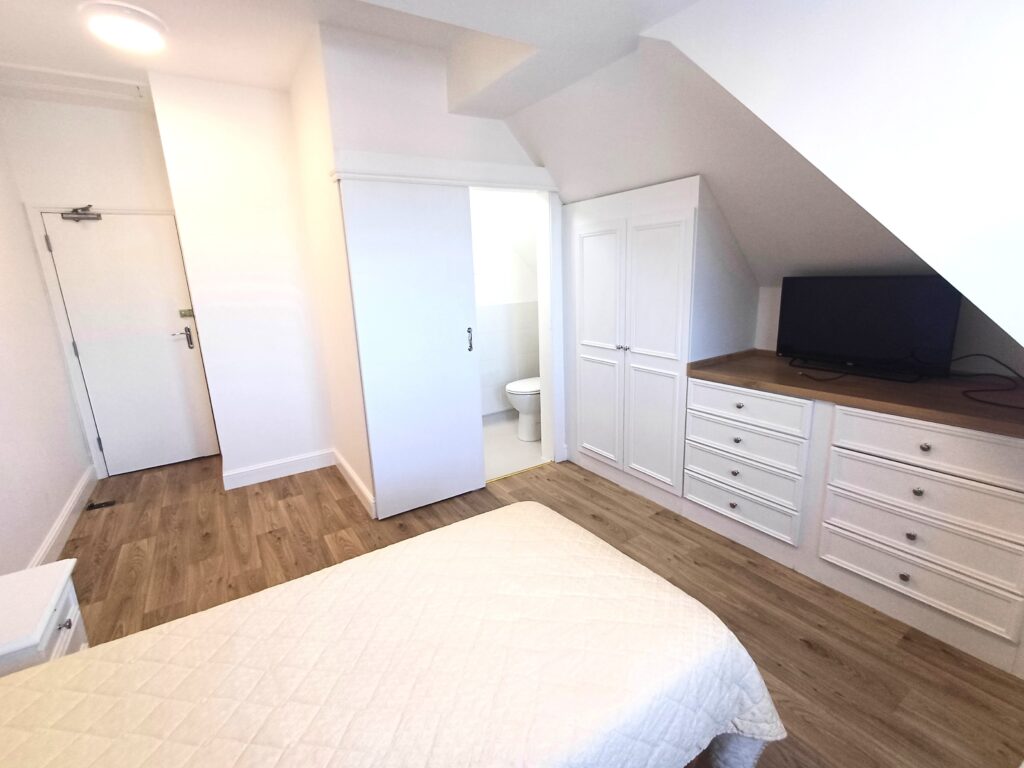
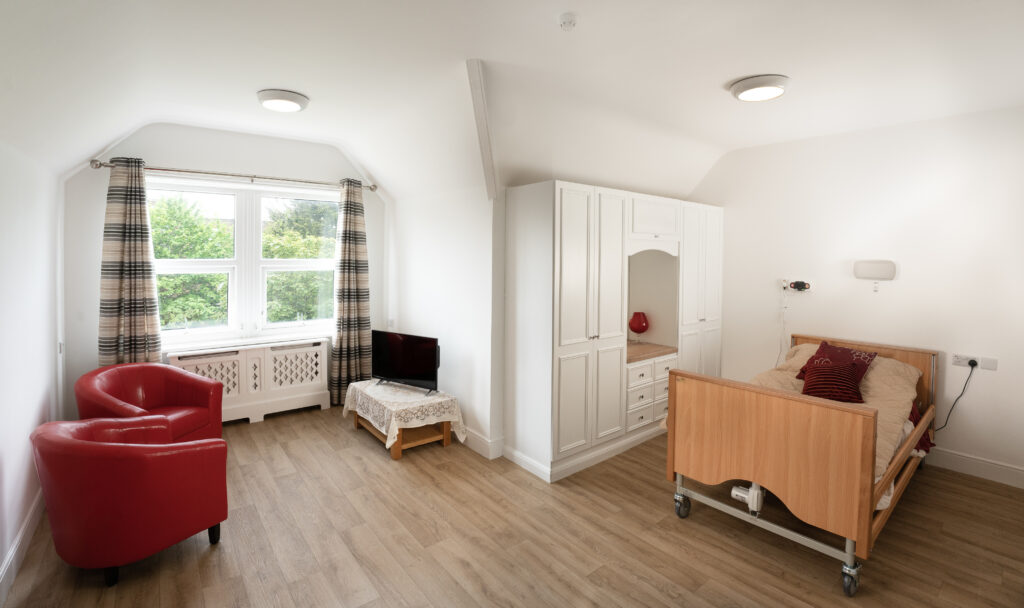
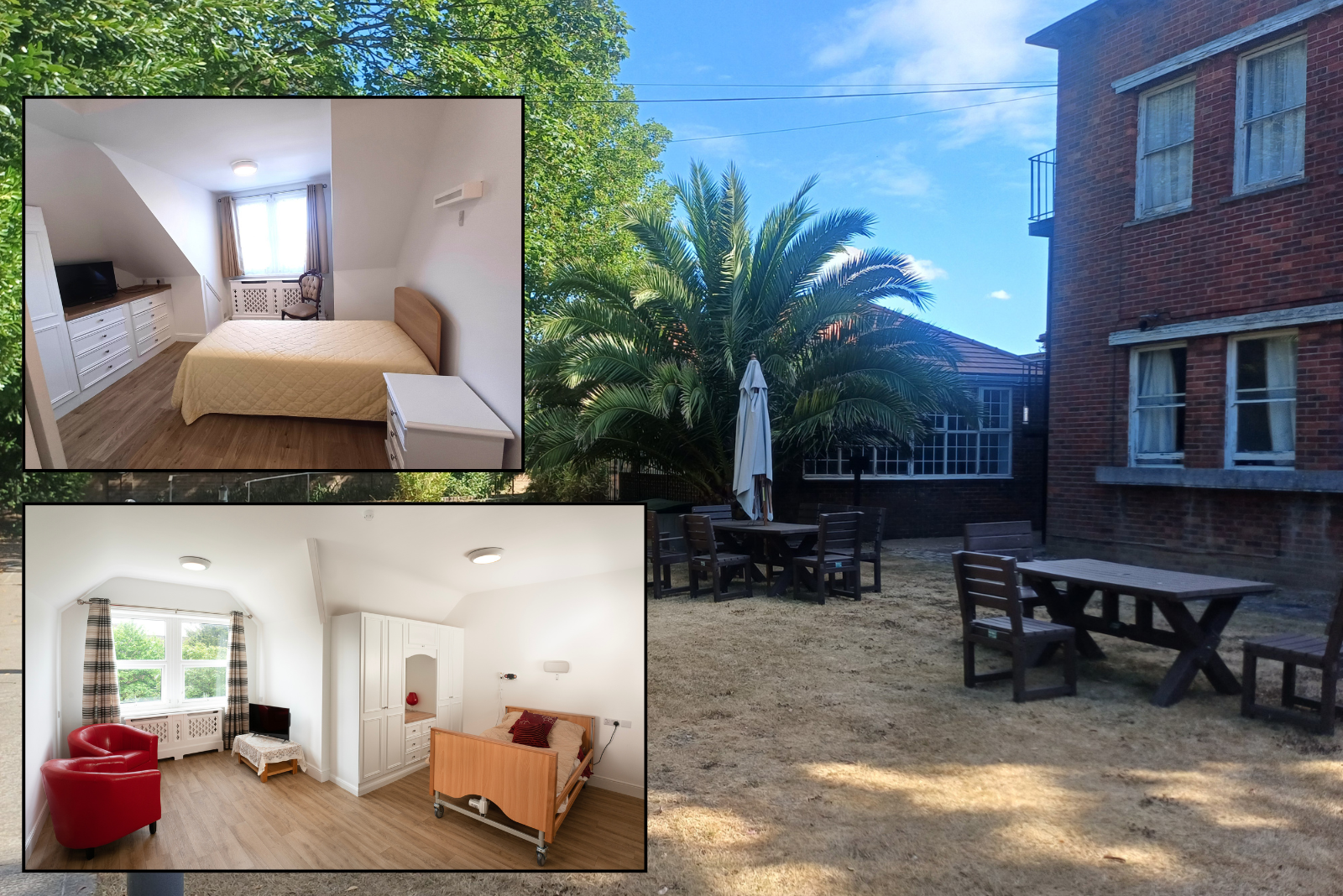
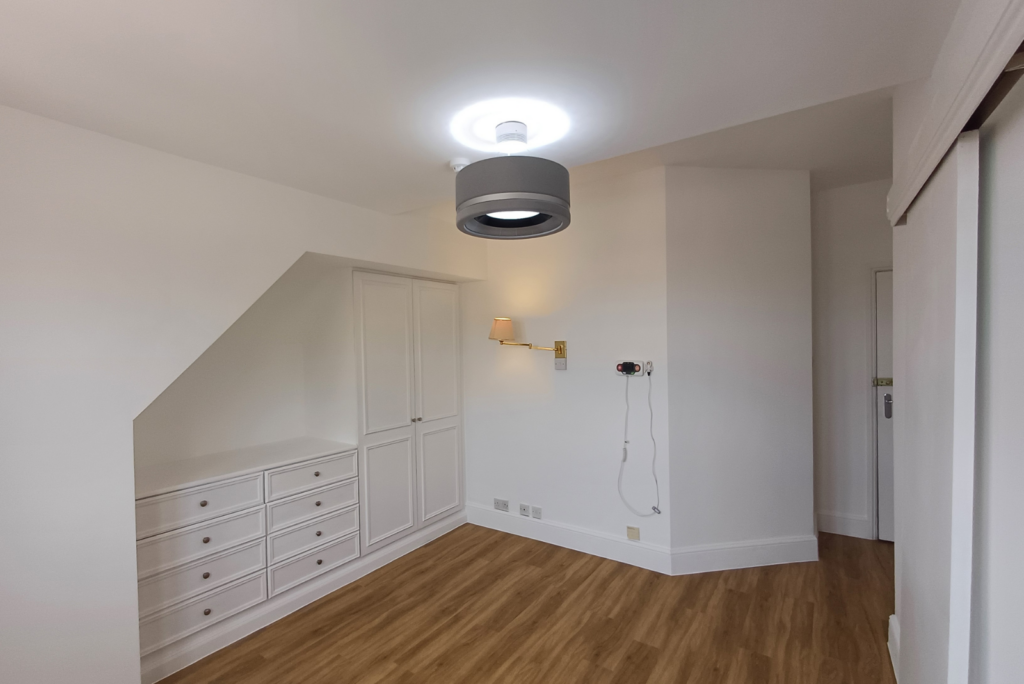
We have recently refurbished a number of rooms at The Victoria Grand, with improvements including fresh decoration, wood-effect flooring, updated lighting and en-suite facilities in selected rooms.
Our available accommodation includes a range of options to suit different preferences and practical requirements.
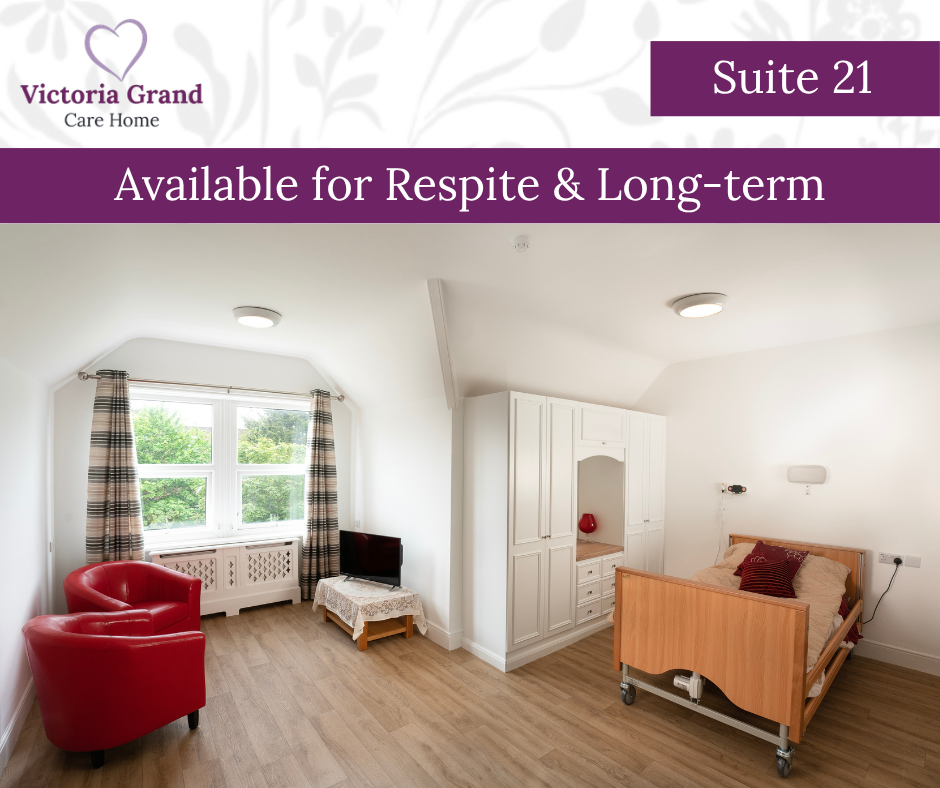
Suite 21: Spacious, Peaceful Comfort
Suite 21 offers a spacious, south-facing room with plenty of natural light and a private en-suite wetroom. Its generous proportions and peaceful atmosphere provide a comfortable setting for someone looking for their own personal space within a supportive care home.
The suite is available for both respite stays and long-term residential care, subject to current availability.
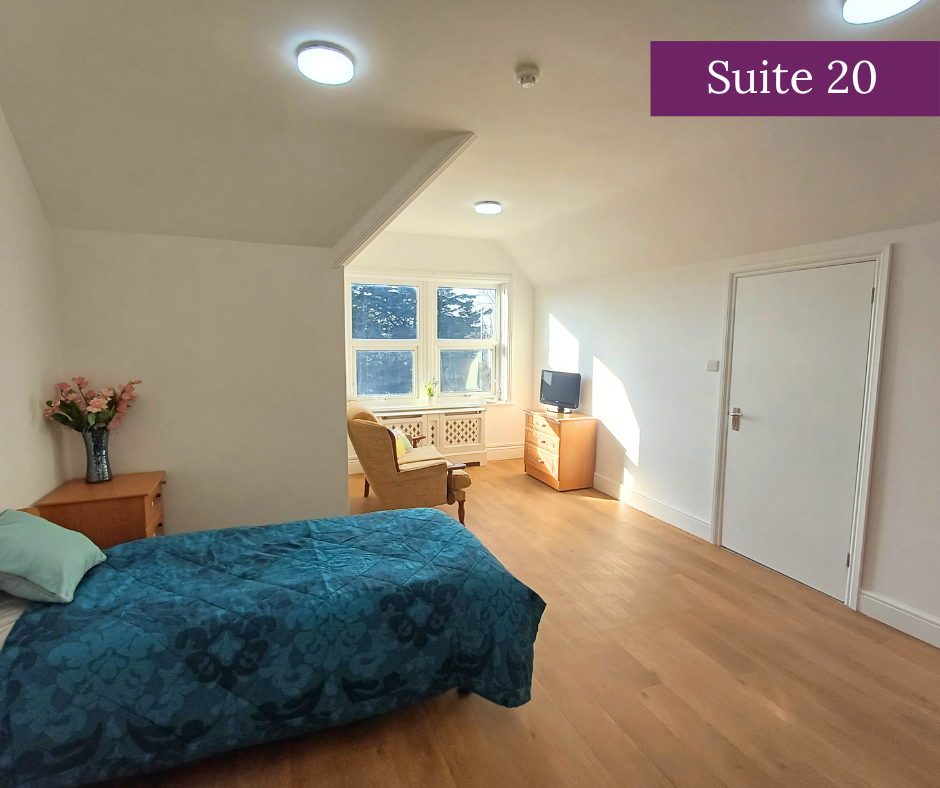
Suite 20: Bright and Spacious Living
Suite 20 combines generous space with wood-effect flooring and a private ensuite wetroom. Its south-facing aspect brings natural light into the room, while its location close to the lift offers additional convenience.
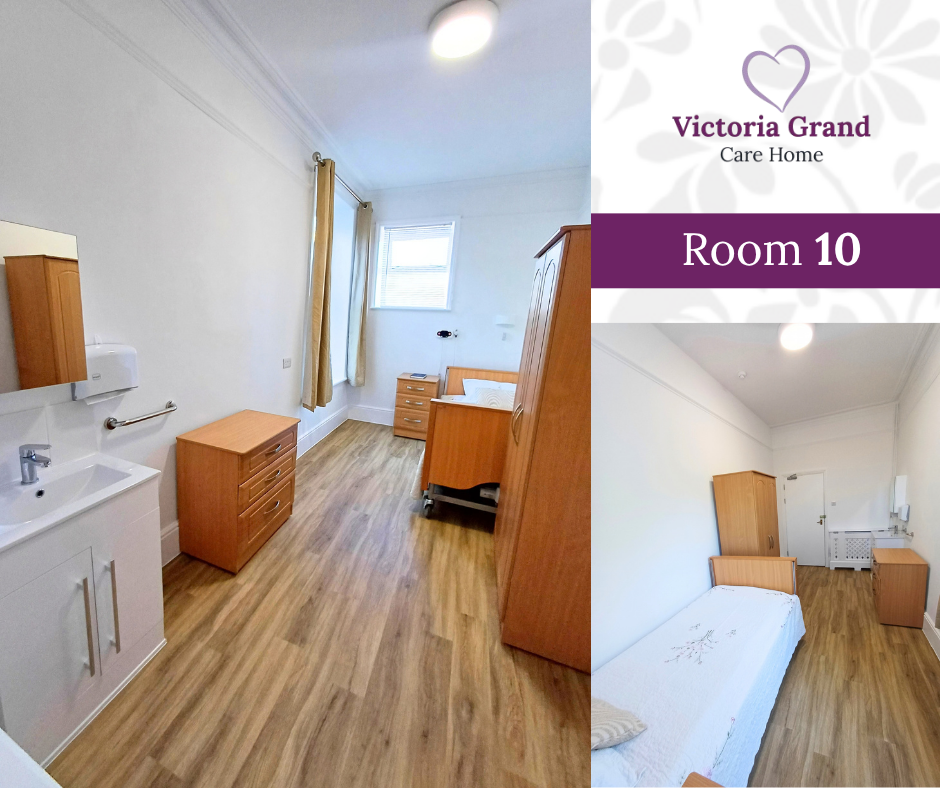
Room 10: Fresh, Modern Comfort
Newly refurbished Room 10 is situated on the first floor and features attractive wood-effect flooring and a convenient washbasin. Its position provides easy access to the lift and nearby bathroom facilities.
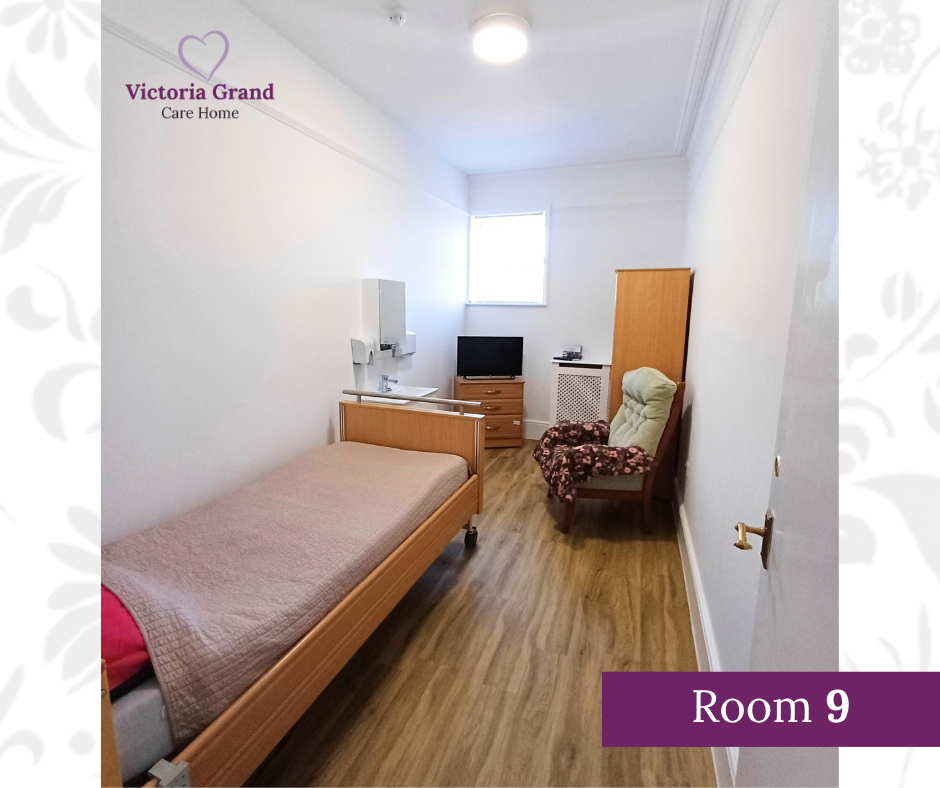
Room 9: A Comfortable, Welcoming Space
Room 9 offers a comfortable personal space with a washbasin and convenient access to the bathroom. Recent refurbishment has helped create a fresh, pleasant environment.
Room 11: A Relaxing Garden View
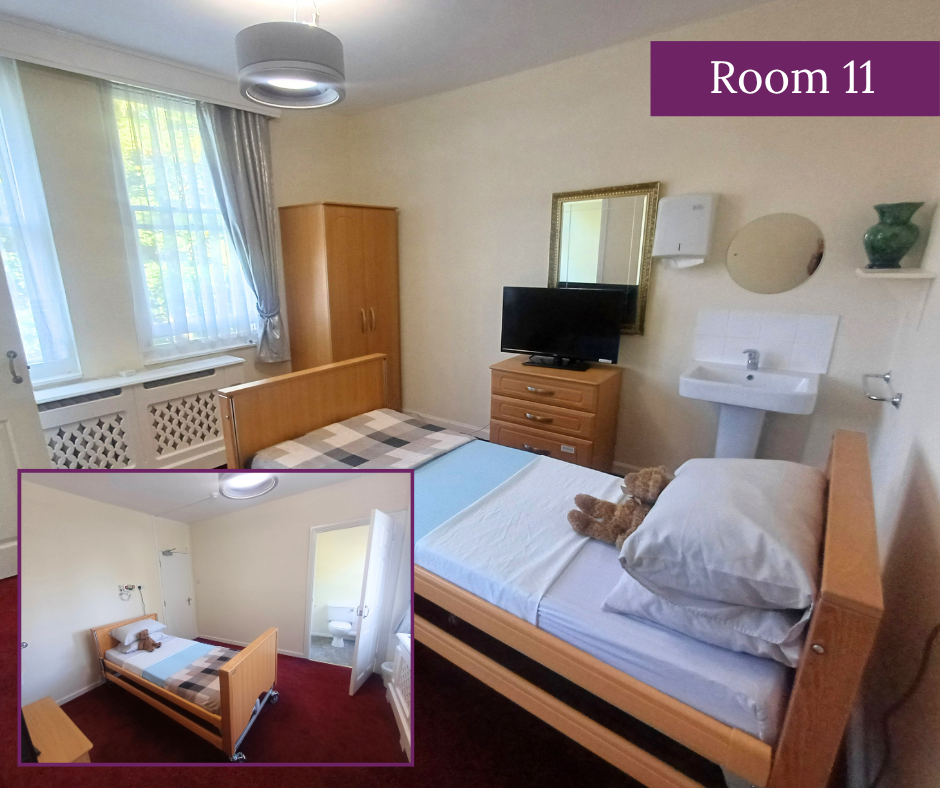
Located on the first floor, Room 11 overlooks the garden and features an en-suite toilet, a handbasin within the room and Nobi smart safety lighting. It offers a peaceful outlook alongside practical features designed to support residents’ everyday comfort and wellbeing.
Every room has its own characteristics, so we encourage prospective residents and families to visit and see which accommodation feels most suitable.
Explore our current available rooms and care home vacancies in Worthing to discover more about each room and arrange a viewing with our team.
Availability can change, so please contact us to confirm which rooms are currently available for respite or long-term residential stays.
Investing in Comfort, Safety and Wellbeing
A care home’s environment plays an important role in how residents feel each day. We want The Victoria Grand to be a place where people can feel comfortable in their own rooms while also enjoying the shared spaces and activities that help make a home feel welcoming.
Thoughtful Improvements to Our Bedrooms
We have continued to refresh individual bedrooms with improvements to flooring, decoration, lighting and bathroom facilities. These updates help maintain attractive, practical living spaces where residents can bring their own belongings and make their rooms feel personal.
Selected rooms also benefit from en-suite wetrooms or other convenient washing facilities, depending on the accommodation.
Nobi Smart Lighting to Support Resident Safety
We have introduced Nobi smart lighting into a number of bedrooms. This technology is designed to illuminate the room when a resident gets out of bed and can detect falls, alerting the care team when assistance may be needed.
It is one example of how thoughtful technology can complement the work of our care team. Just as importantly, technology does not replace the human side of care: attentive staff, reassurance and personal interaction remain central to life at The Victoria Grand.
A Refurbished Conservatory for Relaxation and Socialising
Our conservatory has undergone significant improvements, including a new roof, updated electrics, fresh paintwork and comfortable seating.
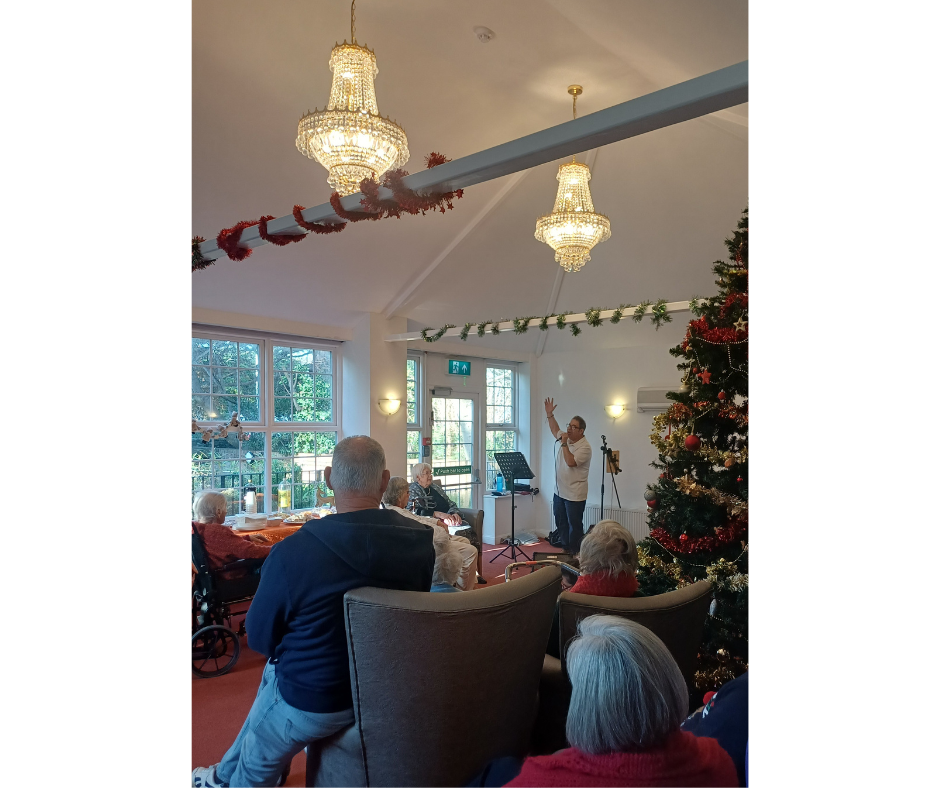
Overlooking the gardens, it provides a bright, welcoming environment for residents to relax, enjoy a conversation, read, take part in activities or spend time with visiting family and friends.
We have also arranged the space into different areas to accommodate quieter moments, social activities, creative pursuits and entertainment.
Food, Dining and Everyday Enjoyment
Mealtimes are an important part of daily life in a care home. They offer opportunities to enjoy good food, maintain routines and spend time with others.
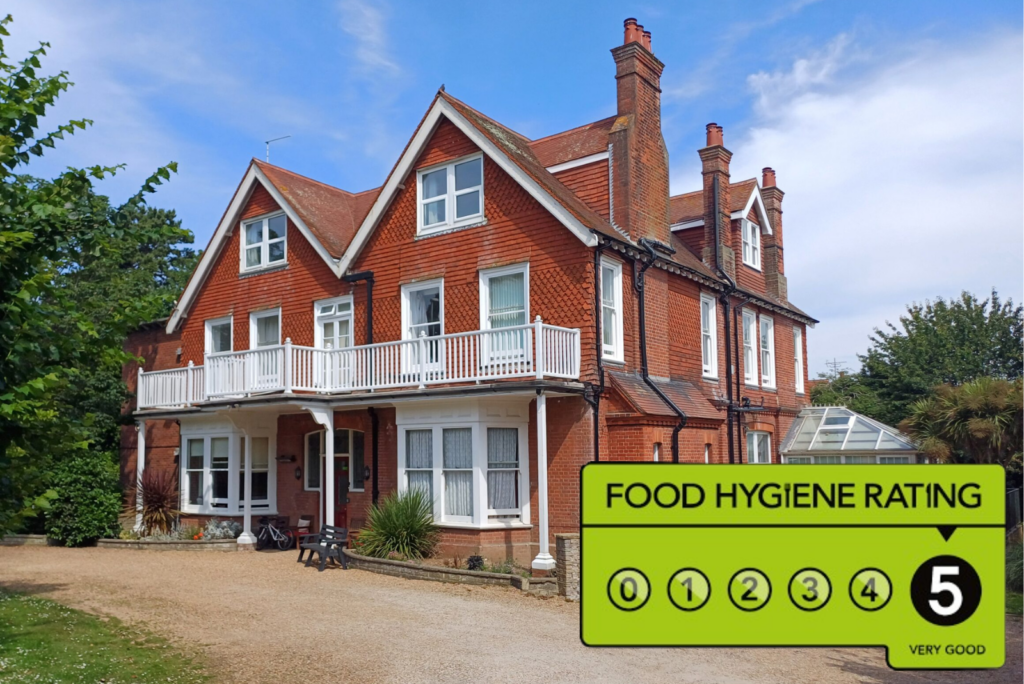
Our kitchen facilities have benefited from improvements, and we are proud to have achieved a five-star food hygiene rating. We continue to recognise the importance of food safety, nutrition and creating an enjoyable dining experience.
Alongside these improvements, our home has benefited from further investment in facilities, safety systems, accessibility and staff training.
We believe that maintaining a good residential environment means paying attention to both the visible improvements and the practical details that support residents every day.
More Than Accommodation: A Community to Be Part Of
Choosing a care home is not just about finding a suitable room. It is also about finding somewhere that supports social connection, personal interests and a sense of belonging.
At The Victoria Grand, we provide opportunities for residents to enjoy activities and shared experiences according to their interests and abilities.
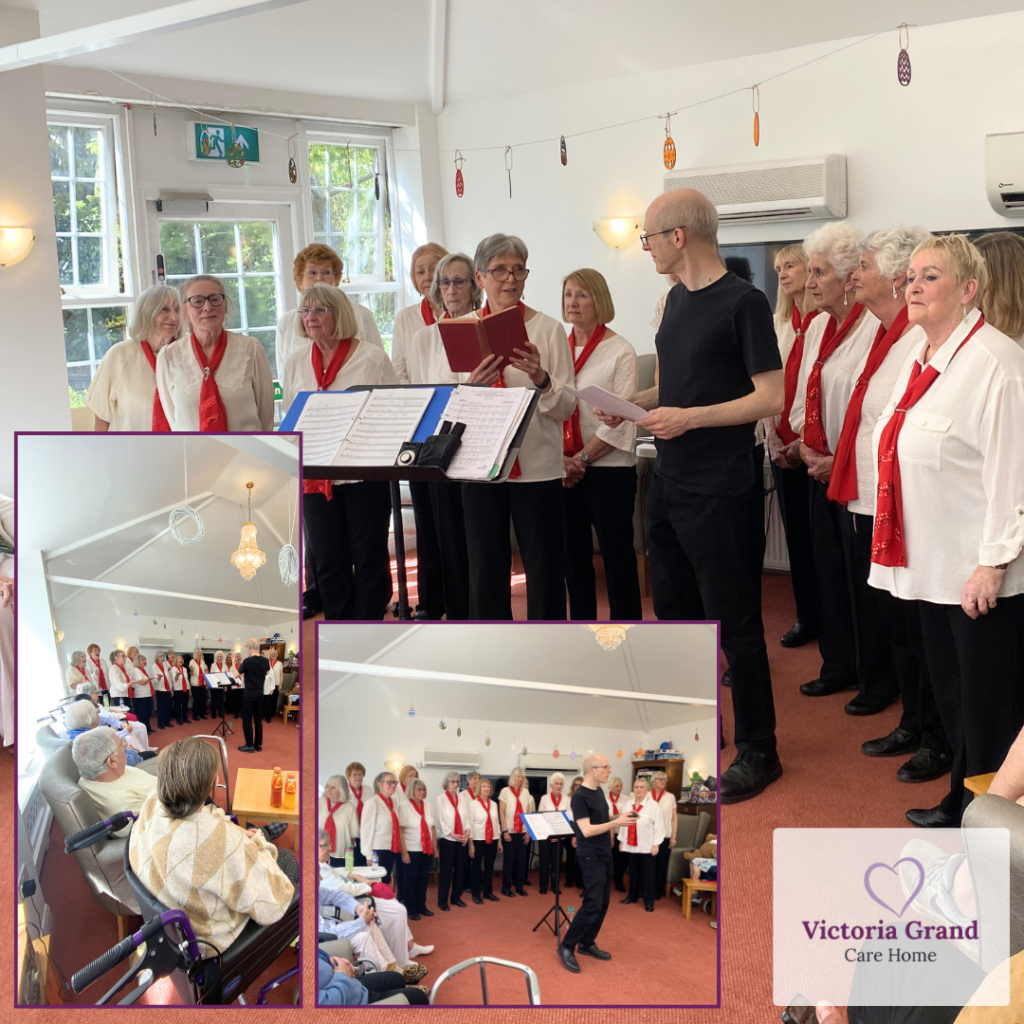
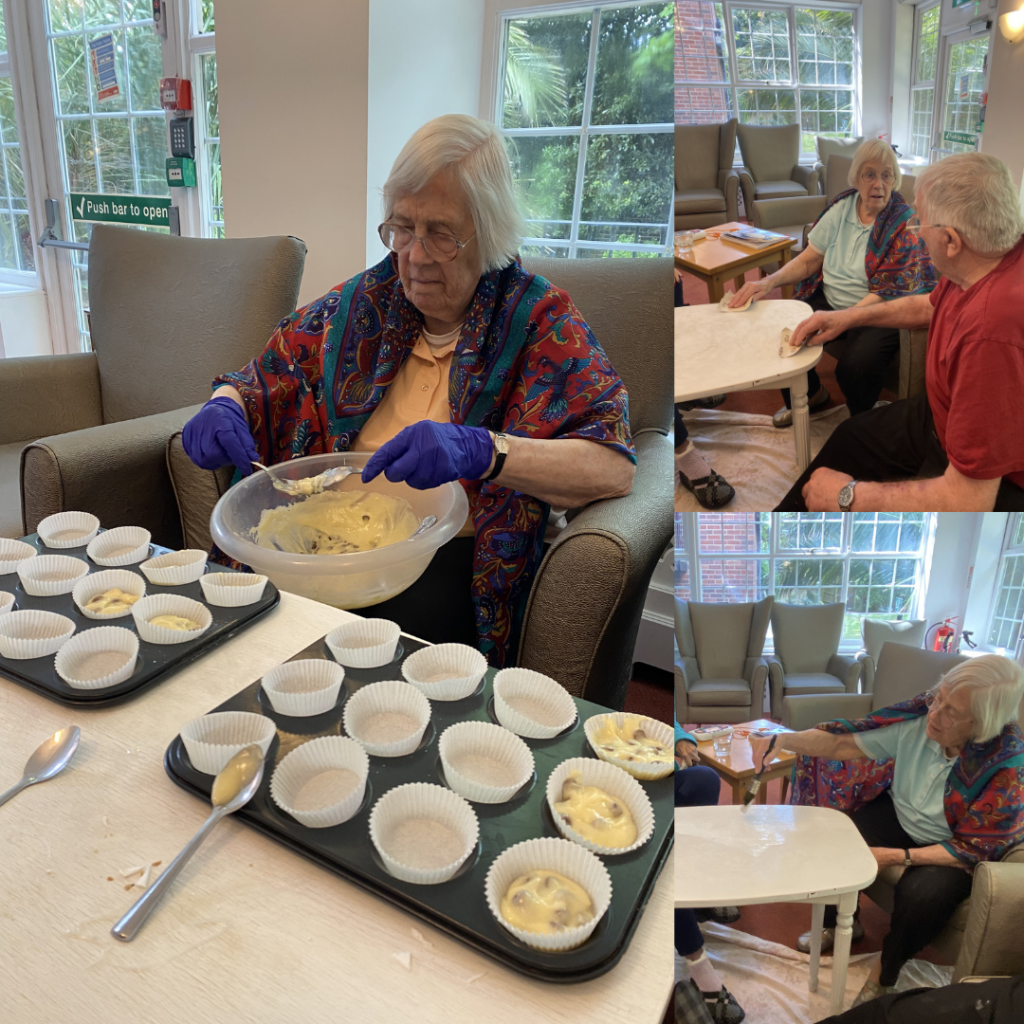
Our activities and events include arts and crafts, games, music, live entertainment, animal visits, garden outings and seasonal celebrations. Our conservatory provides an additional space for residents to come together, while also allowing for quieter activities and relaxation.
We recognise that everyone has different preferences. Some residents enjoy lively group activities and conversation, while others prefer reading, spending time with visitors or enjoying a peaceful moment.
Our aim is to offer opportunities to participate and connect without losing sight of individual choice.
We also believe that links with the wider community are valuable. Through initiatives such as Friends of Victoria Grand, we are working to encourage connections with local people, groups and organisations.
For residents and families considering a move, these everyday experiences are an important part of understanding what life in a care home can look like.
Respite Care in Worthing: Short-Term Support When It Is Needed
Not everyone looking for a care home is planning a permanent move.
Respite care in Worthing can provide a short-term residential stay for someone who needs temporary support, while also giving family members and regular carers time to rest or attend to other commitments.
Respite care may be worth exploring when:
- A family carer needs a planned break or holiday.
- Someone would benefit from temporary support following a change in circumstances.
- A family wants to explore residential care before making a longer-term decision.
- Additional support is needed for a limited period.
Every person’s circumstances are different, and the suitability of a respite stay depends on their individual care needs and the support the home can provide.
At The Victoria Grand, we welcome enquiries from families considering respite care and can discuss the available rooms, potential dates and individual requirements.
A conversation with our team is a helpful first step towards understanding whether a short-term stay could be suitable for you or your loved one.
Find out more about our respite care in Worthing and contact us to discuss your requirements.
Long-Term Residential Care in Worthing
For some people, there comes a time when living independently is becoming more difficult and additional day-to-day support would be beneficial.
Long-term residential care in Worthing can offer a supportive living environment for people who need assistance with everyday activities and would benefit from having care available throughout the day and night.
Moving into a care home is a significant change, and it is natural for individuals and families to have questions. The right decision should take account of personal preferences, care requirements, the available accommodation and the opportunities to maintain relationships and interests.
At The Victoria Grand, we encourage prospective residents and their families to visit, explore the home and talk to our team about what matters most to them.
We can discuss individual needs, the accommodation currently available and the next steps involved in considering a long-term residential stay.
Our aim is to help families make an informed decision and feel more confident about the options available.
Choosing a Care Home in Worthing or West Sussex: What Should You Consider?
If you are comparing care homes in Worthing and the wider West Sussex area, it can be helpful to look beyond the bedroom itself.
Consider the following questions when arranging visits:
1. What level of care and support is available?
Explain the individual’s circumstances and ask whether the home can support their particular needs, both now and as those needs change.
2. Does the accommodation feel comfortable?
Look at the available rooms, bathroom facilities, natural light, accessibility and opportunities to personalise the space.
3. What is daily life like?
Ask about meals, activities, social opportunities, visitors and how residents can continue enjoying their interests.
4. How does the home approach safety and independence?
Find out about staff support, relevant safety features and how residents are encouraged to maintain their independence while receiving appropriate assistance.
5. Can the home accommodate a respite or long-term stay?
Check current availability, the proposed dates, the level of support required and the arrangements for discussing care and fees.
6. Do you feel comfortable with the team and surroundings?
A visit gives you the opportunity to meet staff, ask questions and gain a better understanding of the atmosphere of the home.
At The Victoria Grand, we welcome these conversations. We understand that families need clear information and time to consider their options before making a decision.
Visit The Victoria Grand Care Home in Worthing
If you are searching for a care home in Worthing, exploring respite care or considering long-term residential accommodation for yourself or a loved one, we would be pleased to hear from you.
With recent refurbishment work, comfortable accommodation, a bright conservatory, ongoing investment in resident safety and opportunities for social activities, The Victoria Grand continues to develop its home around the needs and everyday experiences of its residents.
We currently have a number of rooms and suites available, including accommodation suitable for respite and long-term residential stays, subject to individual requirements and availability.
You do not need to have made a final decision before getting in touch. Our team can talk through your circumstances, answer your questions and help you understand the next steps.
To find out more:
- View our available rooms and room vacancies.
- Read about our recent home enhancements.
- Call us on 01903 248 048.
- Email manager@thevictoriagrand.co.uk.
- Visit us at The Victoria Grand Care Home, 22 Mill Road, Worthing, West Sussex, BN11 4LF.
We warmly invite you to arrange a visit, meet our team and discover whether The Victoria Grand could be the right place for you or your loved one.
Frequently Asked Questions About Care Homes in Worthing
What is a good care home in Worthing for a loved one?
The right care home depends on the individual’s care needs, preferences, accommodation requirements and the type of support they need. When comparing care homes in Worthing, consider the environment, staff approach, activities, facilities and whether the home can meet the person’s needs. Visiting The Victoria Grand gives you an opportunity to explore the accommodation and discuss your circumstances with our team.
Does The Victoria Grand Care Home in Worthing have rooms available?
Yes. The Victoria Grand has advertised a number of rooms and suites, including Suite 21, Suite 20, Room 10, Room 9 and Room 11. These offer different features, including en-suite wetrooms, washbasins, garden views and refurbished interiors. Availability can change, so please visit our room vacancies page or call 01903 248 048 for the latest information.
Does The Victoria Grand offer respite care in Worthing?
Yes. The Victoria Grand welcomes enquiries about respite care and short-term residential stays. Respite care may be suitable for people who need temporary support or whose regular carers need a break. Contact the team to discuss dates, accommodation availability and whether the home can meet the individual’s care needs.
Can I arrange long-term residential care at The Victoria Grand?
The Victoria Grand welcomes enquiries about long-term residential care. Our team can discuss the accommodation available, the individual’s requirements and the next steps towards a potential move. An assessment of care needs and confirmation of availability are important before arrangements are finalised.
What improvements have been made at The Victoria Grand Care Home?
Recent improvements across 2025 and 2026 have included refurbished bedrooms, updated flooring and bathroom facilities in selected rooms, a refurbished conservatory, improved kitchen facilities and Nobi smart lighting in a number of bedrooms. The home has also continued to invest in safety measures, communal spaces and staff training. Read our full overview of the home enhancements.
Where is The Victoria Grand Care Home located?
The Victoria Grand Care Home is located at 22 Mill Road, Worthing, West Sussex, BN11 4LF. You can contact the home on 01903 248 048 or email manager@thevictoriagrand.co.uk to ask questions or arrange a visit.
How do I choose between respite care and long-term residential care?
Respite care is a temporary residential stay, whereas long-term residential care is intended for someone who needs ongoing support in a care home. The right option depends on the person’s circumstances, care needs and preferences. Discussing these with the care home team can help you understand which arrangement may be appropriate.
What should I ask when visiting a care home in West Sussex?
Ask about the level of care provided, room availability, fees, staff support, meals, activities, safety arrangements, visiting and how individual preferences are accommodated. It is also helpful to see the bedrooms and communal areas and discuss any specific needs with the team before making a decision.
How can I arrange a visit to The Victoria Grand?
You can arrange a visit by calling 01903 248 048, emailing manager@thevictoriagrand.co.uk or contacting the home through its website. Visiting allows you to explore the accommodation, meet the team and discuss respite or long-term residential care options.