Finding the right post-operative care in Worthing can make an important difference when an older relative is preparing to leave hospital following an operation.
Whether someone has undergone a hip or knee replacement, abdominal surgery, a fracture repair or another medical procedure, returning home can sometimes present challenges. Everyday activities such as getting dressed, preparing meals, moving around the house and maintaining personal care may be more difficult during the initial stages of recovery.
For families, this can raise an important question: what happens when a loved one is medically ready to leave hospital but still needs additional support before they can comfortably manage at home?
For some older people, short-term respite care at a residential care home may be a suitable option.
At The Victoria Grand Care Home in Worthing, respite care provides temporary accommodation and personalised residential support for older people who need additional help following an illness or hospital stay. Subject to an assessment of individual care needs and availability, a short-term stay can provide a comfortable and supportive environment while families consider the next steps.
This guide explains what post-operative care involves, when respite care may be appropriate and how to explore the options available in Worthing.
What Is Post-Operative Care?
Post-operative care refers to the support and treatment someone may need after an operation or surgical procedure.
The type of care required depends on several factors, including:
- The type of operation or surgical procedure.
- The person’s age and general health.
- Their mobility and ability to move around safely.
- Whether they need help with washing, dressing and personal care.
- Their medication and any ongoing treatment requirements.
- Whether they have family members or carers available to support them at home.
- The advice provided by their hospital team.
Some people recover at home with relatively little assistance. Others, particularly older people or those living alone, may need additional help with everyday activities during the weeks following surgery.
It is important to understand that post-operative care can involve different levels of support. Clinical treatment, nursing care and physiotherapy are different from the personal care and everyday assistance that a residential care home may provide.
The right arrangements should always be based on the person’s medical advice, discharge plan and assessed care needs.
Why Might Someone Need Additional Care After an Operation?
Leaving hospital does not necessarily mean that someone is immediately ready to manage independently at home.
Although the operation may have been successful, the recovery period can bring physical and practical challenges.
For older people, these may include:
1. Reduced Mobility
Following procedures such as hip replacements, knee replacements or surgery after a fall, getting around can be difficult.
A person may temporarily need assistance with standing, walking, transferring between a chair and bed or moving around their living environment.
If their home has stairs, narrow hallways or other accessibility challenges, returning home may require additional planning.
2. Help With Everyday Personal Care
Simple daily routines can become more demanding after surgery.
Someone may need assistance with washing, dressing, getting ready for the day or using the bathroom.
Having appropriate personal care support can help make everyday life more manageable while the person follows their recovery plan.
3. Preparing Meals and Maintaining Nutrition
Good nutrition and hydration are important parts of general recovery.
However, preparing meals can be difficult when someone has limited mobility, is experiencing discomfort or has been advised to avoid certain movements.
Having regular meals provided can remove some of the practical pressures associated with looking after oneself after an operation.
4. Living Alone
One of the biggest concerns for families is an older relative returning home alone after surgery.
Even when someone is medically ready for discharge, family members may worry about whether they can manage safely without regular assistance.
A temporary care arrangement may provide a more supportive environment while the person becomes more confident with their everyday routine.
5. Family Carers Needing Additional Support
Many families provide care for older relatives at home. Following an operation, the level of assistance required may increase considerably.
A spouse, son, daughter or other family member may find it difficult to provide all the support needed, particularly if they have work, family commitments or their own health considerations.
Respite care can offer temporary support for the person receiving care while giving family members some reassurance and breathing space.
Is Respite Care Suitable After an Operation?
Respite care can be a suitable option for some older people following surgery or a hospital stay, provided their medical and personal care needs can be safely met by the care home.
Respite care is a form of short-term residential care. Rather than moving into a care home permanently, the individual stays for an agreed period and receives support with everyday living.
At The Victoria Grand Care Home in Worthing, respite stays can provide temporary accommodation and residential care for people who need additional support following illness or hospital treatment.
A respite stay may be worth exploring when someone:
- Is medically ready to leave hospital but needs help with everyday activities.
- Has reduced mobility and requires assistance with personal care.
- Lives alone and would benefit from a supportive environment.
- Needs temporary residential support while their family makes longer-term arrangements.
- Has a family carer who needs a temporary break.
- Would benefit from additional help with meals, daily routines and companionship.
Every person’s circumstances are different. The Victoria Grand will need to understand the individual’s condition, care requirements and any instructions from their hospital team before confirming whether a respite placement is appropriate.
Important: Respite care at The Victoria Grand is residential care, not post-operative nursing care or a clinical rehabilitation service. The home is not registered to provide nursing care and does not replace hospital treatment, specialist wound care, clinical monitoring or a prescribed physiotherapy programme. If someone needs these services, their hospital discharge team or healthcare professionals should advise on an appropriate provider.
Post-Operative Respite Care at The Victoria Grand in Worthing
The Victoria Grand Care Home provides residential and respite care in a welcoming, comfortable environment in Worthing, West Sussex.
For older people whose needs can be safely supported within a residential care setting, a short-term stay can provide help with everyday living while they continue with the recovery arrangements recommended by their healthcare professionals.
The home offers a range of facilities and support designed to make residents feel comfortable and at home.
Personalised Care and Everyday Support
Every resident has individual needs, preferences and routines.
The Victoria Grand takes a person-centred approach to care, getting to know each individual and understanding the support they require.
Depending on the agreed care plan and assessment, this may include assistance with:
- Personal care and daily routines.
- Washing and dressing.
- Mobility and everyday activities.
- Medication support within the home’s care arrangements.
- Meals and general nutrition.
- Companionship and social interaction.
The aim is to provide appropriate support while respecting each person’s dignity, preferences and independence.
Comfortable Bedrooms and Facilities
A comfortable environment can make a difference when someone is adjusting to life outside hospital.
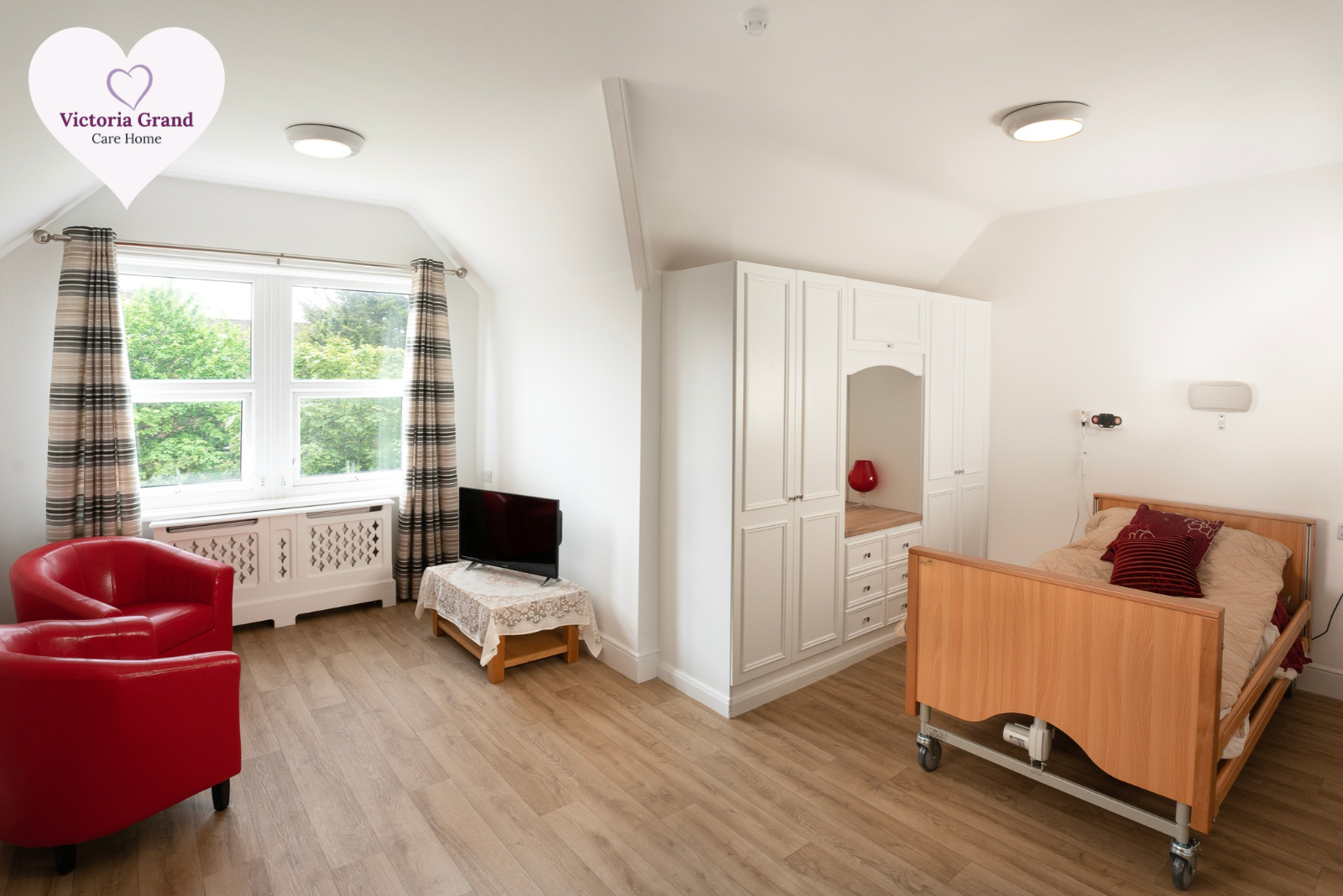
The Victoria Grand has 26 bedrooms, with ensuite facilities available in many rooms. Residents can also enjoy comfortable lounges, a refurbished conservatory, communal dining areas and the home’s gardens.
The home also has an accessible passenger lift and in-room call buttons.
These facilities help create a welcoming residential environment for people who need additional support with everyday living.

Home-Cooked Meals and Nutrition
Preparing meals may be one of the challenges someone faces after an operation, particularly if they are temporarily less mobile.
At The Victoria Grand, meals are freshly prepared by the home’s in-house chef, with choices available at mealtimes.
Having meals provided can help remove the pressure of shopping and cooking during a temporary stay.
Any specific dietary requirements should be discussed with the team before a respite placement is arranged.
Companionship and Activities
Recovery can sometimes be an isolating experience, particularly for older people who live alone.
A stay in a care home can provide opportunities to spend time with others, enjoy conversations and take part in activities.
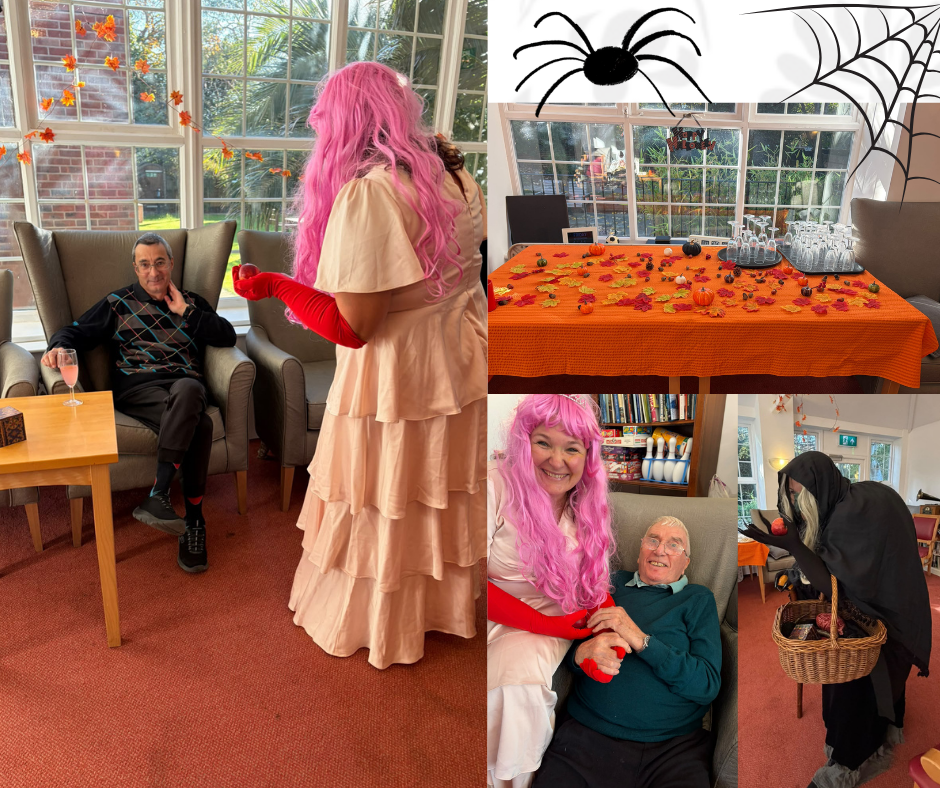
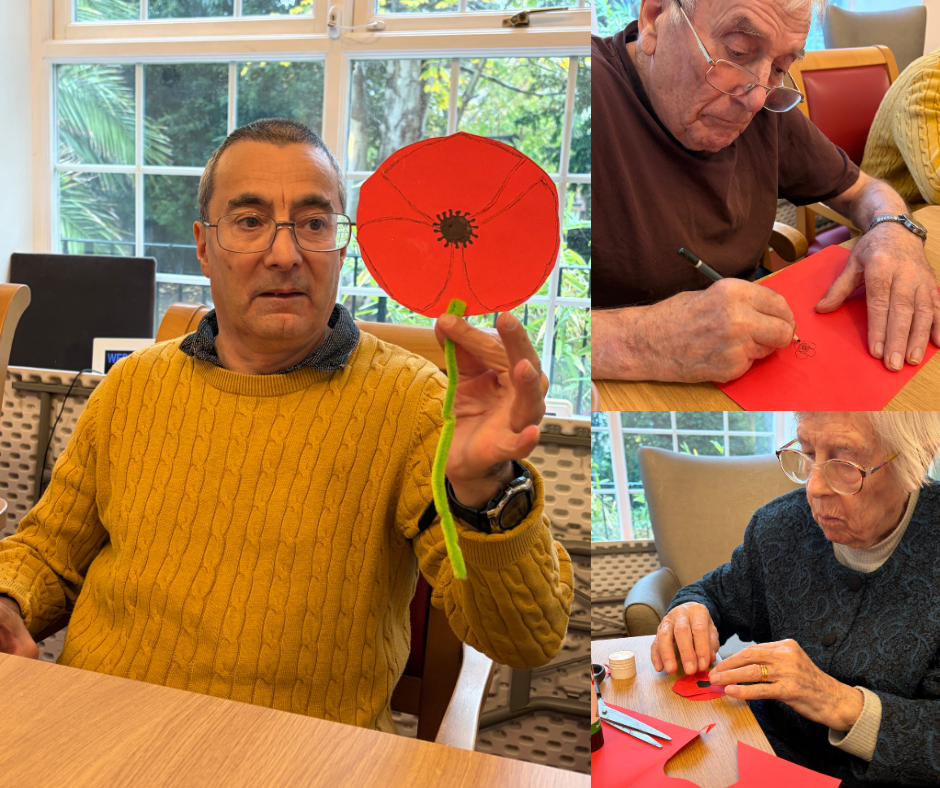
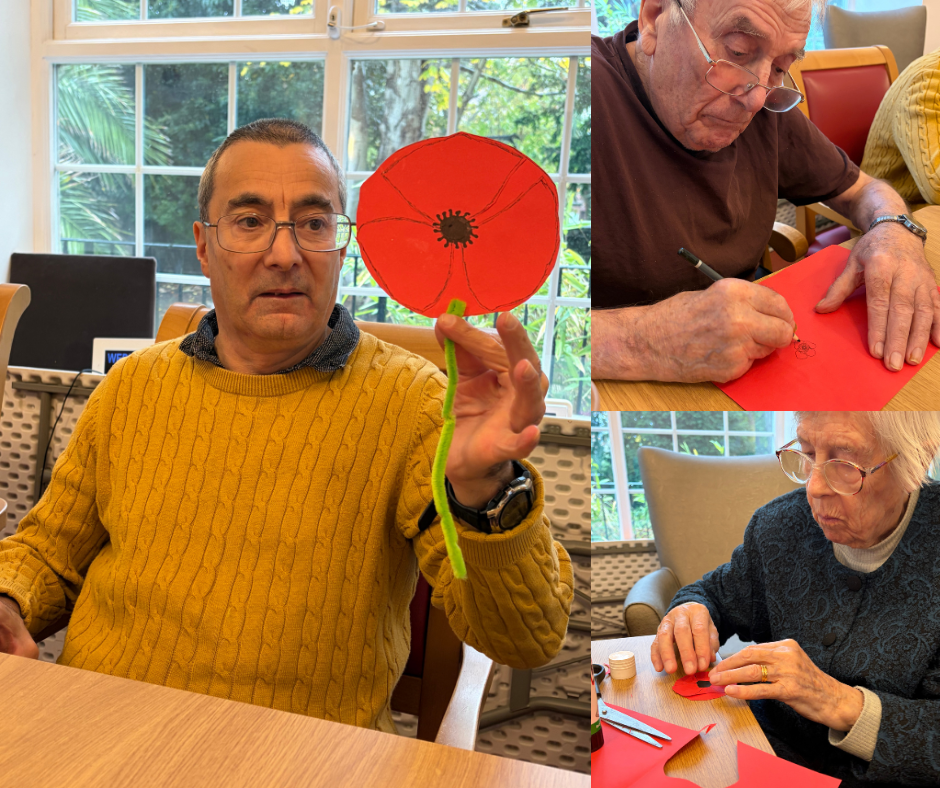
At The Victoria Grand, residents can enjoy a range of activities and social opportunities, while also having the choice to relax in their own room whenever they prefer.
The aim is to provide a comfortable and friendly atmosphere rather than simply somewhere to stay.
What If Someone Needs Nursing Care After Surgery?
This is an important consideration when searching for post-operative care in Worthing.
Not every care home provides the same services. Some are registered to provide residential care, while others also offer nursing care.
The Victoria Grand is a residential care home, not a nursing home.
This means it provides personal care and support with everyday living, rather than specialist nursing treatment.
For example, someone who needs assistance with washing, dressing, meals and mobility may be suitable for residential care, depending on their individual assessment.
However, someone who needs ongoing clinical treatment, specialist wound management, complex nursing interventions or medical monitoring may require a nursing placement or another healthcare service.
Before arranging a respite stay, it is important to establish exactly what support is required.
The hospital discharge team, GP or relevant healthcare professionals can help explain the person’s ongoing medical needs and whether residential respite care is an appropriate option.
How to Arrange Respite Care After a Hospital Stay
If you are considering respite care for a relative following an operation, it is helpful to start the conversation before the planned hospital discharge wherever possible.
This gives everyone involved more time to understand the available options and make suitable arrangements.
Here are some practical steps to consider.
Step 1: Discuss the Discharge Plan
Speak to the hospital discharge team about the support your relative will need when leaving hospital.
Ask about mobility, personal care, medication, equipment, follow-up appointments and any ongoing clinical requirements.
Make sure you understand whether the person needs nursing care, physiotherapy or other specialist services.
Step 2: Identify the Level of Support Required
Consider what help your relative will need throughout the day.
For example:
- Can they get in and out of bed independently?
- Can they wash and dress themselves?
- Do they need assistance when walking?
- Can they manage stairs?
- Do they need help with meals?
- Are there any medication or care requirements that need to be discussed?
This information will help a care provider assess whether it can safely meet their needs.
Step 3: Contact a Local Care Home
Once you understand the requirements, contact care homes in Worthing that offer respite care.
Explain that the enquiry relates to recovery following an operation or hospital stay.
The care home should be able to discuss its services, assessment process, room availability and whether the person’s needs are suitable for its residential care provision.
Step 4: Arrange an Assessment and Visit
An assessment allows the care provider to understand the individual’s circumstances and determine whether the required support can be provided.
It is also an opportunity for families to visit the home, look at the facilities, meet members of the team and ask questions.
At The Victoria Grand, the team welcomes enquiries from families exploring respite and residential care in Worthing.
Step 5: Agree the Arrangements Before the Stay
Before confirming a respite placement, make sure the length of stay, fees, care arrangements and any additional requirements have been discussed.
Provide the care home with relevant information from the hospital discharge plan and healthcare professionals so that everyone understands the support required.
A placement should only be confirmed once the care home has assessed the individual’s needs and agreed that it can meet them safely.
How Long Can Someone Stay in Respite Care?
The length of a respite stay depends on the individual’s circumstances, the care required and the availability of a suitable room.
Some people may only need a short stay, while others may benefit from several weeks of temporary residential support.
At The Victoria Grand, respite stays can be discussed on an individual basis, with the length of stay agreed with the team.
It is worth explaining whether you are looking for support for a few days, a couple of weeks or a longer period.
If the person’s circumstances change during their stay, any changes to their care requirements should be discussed with the home.
Can Respite Care Lead to Permanent Residential Care?
Yes, in some circumstances.
A short-term respite stay can give an older person and their family an opportunity to experience life in a care home before deciding whether longer-term residential care may be appropriate.
For some families, an operation or hospital admission can highlight that additional support may be needed beyond the immediate recovery period.
If someone finds that managing independently at home is becoming increasingly difficult, permanent residential care may be worth considering.
The Victoria Grand offers both respite and long-term residential care in Worthing. Any move from a temporary stay to permanent care would depend on the person’s wishes, an assessment of their ongoing needs and room availability.
There is no obligation for a respite stay to become a permanent placement.
Looking for Post-Operative Care in Worthing? Speak to The Victoria Grand
Finding suitable care after an operation can feel overwhelming, particularly when decisions need to be made around a hospital discharge.
For some older people, returning home immediately may be difficult without additional support. A short-term respite placement can be one option to explore, provided the person’s needs are appropriate for residential care.
At The Victoria Grand Care Home in Worthing, we provide respite and long-term residential care in a welcoming environment where residents receive personalised support with everyday living.
If you are looking for post-operative care in Worthing for a parent, relative or loved one, our team would be happy to discuss your circumstances, explain the respite care available and arrange a visit.
Contact The Victoria Grand Care Home
Telephone: 01903 248 048
Address: 22 Mill Road, Worthing, West Sussex, BN11 4LF
Email: manager@thevictoriagrand.co.uk or complete our Contact Form.
Find out more about respite care in Worthing
Contact The Victoria Grand to discuss care requirements
Frequently Asked Questions About Post-Operative Care in Worthing
What is the best care option after an operation for an elderly person?
The best option depends on the person’s medical condition, mobility and level of support required. Some older people can recover at home with help from family or home-care services. Others may need NHS intermediate care, a rehabilitation service, nursing care or a short-term residential respite placement. A healthcare assessment can help identify the most appropriate option.
Does The Victoria Grand provide post-operative care in Worthing?
The Victoria Grand provides residential and respite care in Worthing, including consideration of short-term stays following illness or hospital treatment. The home can provide support with everyday living and personal care where these needs can be safely met. It is not a nursing home and does not provide specialist post-operative nursing treatment or clinical rehabilitation. All placements are subject to an assessment of care needs and availability.
Can someone stay in a care home after a hip or knee replacement?
Potentially, yes. Some people may benefit from a temporary residential stay after a hip or knee replacement if they need help with everyday activities and their needs can be safely supported by the care home. However, anyone requiring specialist rehabilitation, clinical monitoring, complex wound care or nursing treatment will need an appropriate healthcare arrangement. The hospital team should advise on the right setting.
Can respite care be arranged directly after leaving hospital?
It may be possible, depending on the person’s medical condition, discharge arrangements, care requirements and the availability of a suitable room. It is best to contact the care home as early as possible so that an assessment can take place and the necessary information can be shared before discharge.
Does a care home provide physiotherapy after surgery?
Not all care homes provide physiotherapy. The Victoria Grand is a residential care home and does not provide a specialist physiotherapy or clinical rehabilitation service. If someone has been prescribed physiotherapy after an operation, arrangements should be discussed with their hospital team or healthcare professional.
How much does post-operative respite care cost in Worthing?
The cost depends on the care provider, length of stay, room availability and the individual’s support requirements. Contact The Victoria Grand directly to discuss current respite fees and what is included in a stay.
Can someone receive help with medication during a respite stay?
The Victoria Grand can discuss medication support as part of its assessment and agreed care arrangements. Families should provide accurate information about current medication and any instructions received from the hospital. The home will need to confirm that the person’s medication requirements can be safely supported.
How do I arrange respite care at The Victoria Grand?
Contact The Victoria Grand on 01903 248 048 or use the online contact form to discuss your requirements. The team can explain the assessment process, discuss availability and arrange a visit.
This article provides general information about residential and respite care. It is not medical advice. Decisions about post-operative treatment, rehabilitation and discharge arrangements should be made with the relevant healthcare professionals. A respite placement at The Victoria Grand is subject to assessment, suitability and availability.