Tag: Care Home Funding

Home/Care Home Funding
Featured Posts

Elderly Care Worthing: A Guide to Care for Older People in Worthing

Elderly Care Worthing

Looking for elderly care in Worthing for yourself, a parent or a loved one? Discover how The Victoria Grand Care Home provides compassionate, personalised care in a warm and welcoming environment. From respite care and short-term stays to long-term residential care and dementia care, our team is here to support older people and their families.

Finding the right elderly care in Worthing is an important decision.

For many families, the search begins when an older relative needs a little more support with everyday life. Sometimes that need develops gradually. At other times, a hospital stay, illness, changes in mobility or increasing care requirements can mean that additional support is needed much sooner than expected.

Whatever the reason for beginning your search, choosing elderly care is about much more than finding somewhere that provides practical assistance.

It is about finding a place where someone can feel safe, comfortable, respected and at home.

At The Victoria Grand Care Home in Worthing, we provide personalised care for older people in a warm, homely environment. Our care services include long-term residential care, respite care and dementia care, with support designed around each resident’s individual needs, routines and preferences.

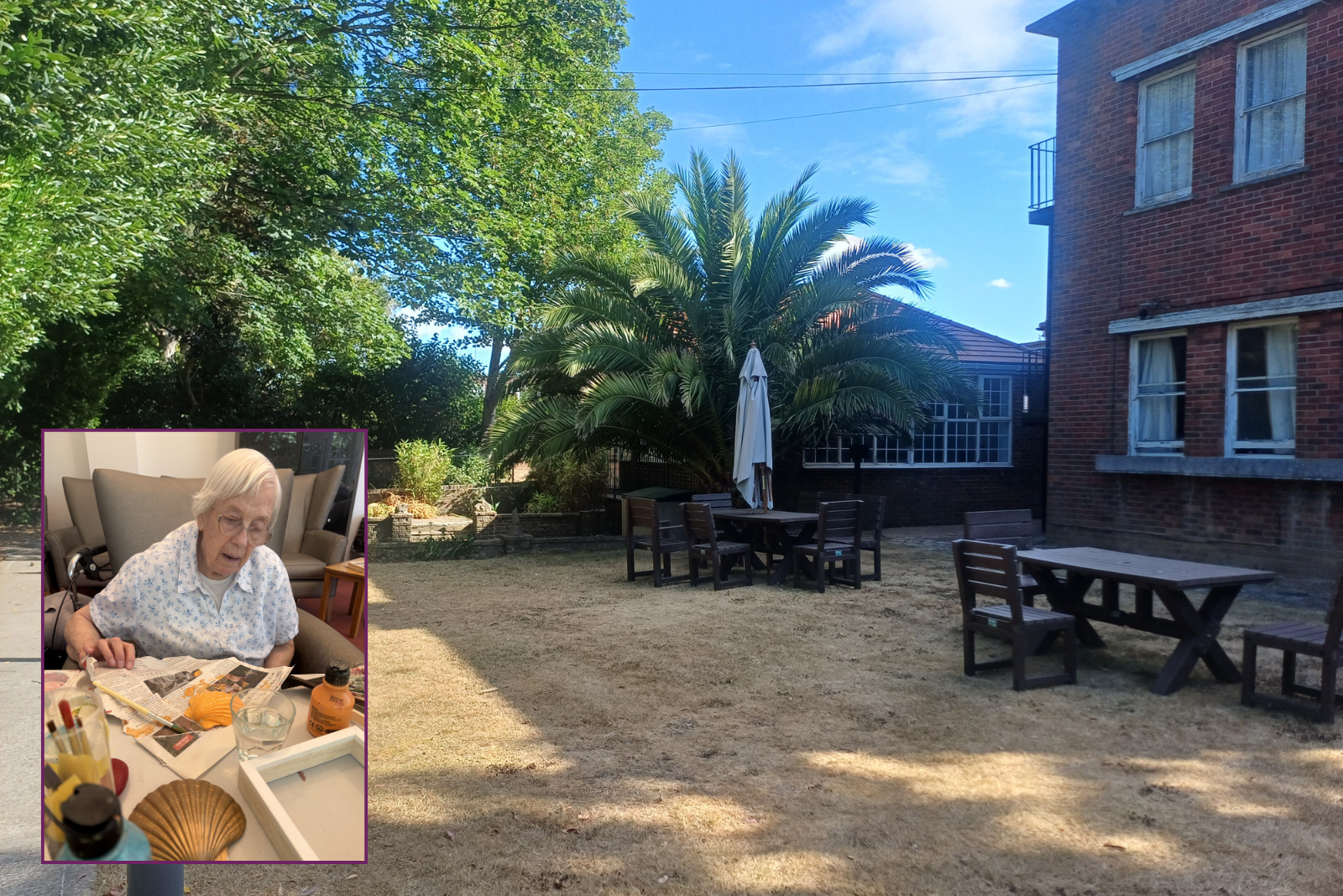
Located on Mill Road in Worthing, our 26-bed care home is set within its own gardens and is conveniently located close to the town, seafront and local transport links.

What Is Elderly Care?

Elderly care is a broad term used to describe the different types of support available to older people as their care needs change.

Every older person is different. Some may only need temporary support following an illness or hospital stay, while others may require ongoing assistance with personal care, mobility, medication and everyday activities.

Elderly care can include:

  • Support with personal care and daily routines
  • Assistance with mobility
  • Medication support
  • Help with washing and dressing
  • Nutritious meals and dietary support
  • Companionship and social interaction
  • Activities and opportunities to stay engaged
  • Dementia and memory care
  • Short-term respite care
  • Long-term residential care

The right level of care should always be based on the individual’s circumstances, preferences and assessed needs.

For a wider look at the support available to older people across the area, read our A Guide to Elderly Care Support in West Sussex.

Elderly Care in Worthing: When Might Extra Support Be Needed?

There is no single point at which someone “needs” elderly care.

For some people, additional support becomes necessary because everyday tasks are becoming increasingly difficult. For others, a period of illness or a hospital admission may highlight that living independently is no longer as straightforward as it once was.

Families may begin considering elderly care when they notice things such as:

  • Increasing difficulty with personal care
  • Problems with mobility
  • Concerns about falls
  • Difficulty managing medication
  • Reduced ability to prepare meals
  • Increasing loneliness or isolation
  • Changes in memory or cognition
  • A need for greater supervision or reassurance
  • Recovery following illness or hospitalisation
  • Increasing pressure on a family member providing care

Recognising that additional support may be beneficial is not about taking away someone’s independence.

Good elderly care should do the opposite.

At The Victoria Grand Care Home, our approach focuses on providing the support someone needs while encouraging independence, choice, dignity and participation wherever possible.

Elderly Care at The Victoria Grand Care Home in Worthing

At The Victoria Grand, we understand that choosing a care home can feel like a major step.

Our aim is to make that transition as comfortable and reassuring as possible.

We take the time to get to know each resident as an individual, including their life history, preferences, routines, interests and personal needs. Care plans are developed around the individual and reviewed regularly so that support can respond as needs change.

Our care team provides support with everyday living, including personal hygiene, washing and dressing, mobility assistance and medication management, with care available around the clock.

But elderly care isn’t just about practical support.

A person’s quality of life also depends on companionship, meaningful activities, good food, comfortable surroundings and feeling part of a community.

That is why life at The Victoria Grand includes opportunities for residents to socialise, take part in activities and enjoy the home’s communal spaces and gardens.

Long-Term Residential Care in Worthing

For older people who require ongoing support with daily living, long-term residential care in Worthing can provide a reassuring alternative to managing increasingly difficult routines at home.

At The Victoria Grand, residents live within a safe and supportive environment where professional care and assistance are available 24 hours a day.

Residential care can provide support with:

  • Personal care
  • Mobility
  • Medication
  • Daily routines
  • Meals and nutrition
  • Social activities
  • Companionship
  • General wellbeing

Our aim is to create a home rather than a clinical environment.

Residents have their own bedrooms and access to comfortable communal areas where they can relax, socialise and participate in activities. Many bedrooms have ensuite or wet room facilities, while the home also has two cosy lounges, an accessible lift, an in-room call button and beautiful gardens.

We’ve also invested significantly in improving the home.

Newly Refurbished Rooms at The Victoria Grand

We understand how important a resident’s surroundings are.

During our recent enhancements, several bedrooms at The Victoria Grand have been refurbished, including improvements such as stylish wooden flooring, modern ensuite bathrooms and wet rooms designed to combine comfort with accessibility.

We’ve also completed the full refurbishment of our conservatory, creating a bright and spacious area overlooking the gardens. The conservatory provides an additional place for residents to relax, socialise, enjoy activities and take part in events.

These improvements are part of our ongoing commitment to creating a comfortable, welcoming environment for the people who call The Victoria Grand home.

You can read more about the work we’ve carried out in our article:

Transforming Care and Comfort: The Victoria Grand Care Home’s 2025/2026 Enhancements

Respite Care for Older People in Worthing

Not everyone looking for elderly care in Worthing is looking for a permanent care home placement.

Sometimes, short-term support is exactly what is needed.

Respite care provides temporary care for older people who may need additional support for a few days or several weeks.

At The Victoria Grand, respite care can be particularly helpful following:

  • A hospital stay
  • An illness
  • A period of reduced mobility
  • Recovery following treatment
  • A change in circumstances at home
  • A family carer needing a break
  • A temporary increase in care needs

Our respite guests receive support within the same welcoming environment as our permanent residents, with access to personalised care, meals, activities, companionship and the home’s facilities.

For families providing care at home, respite can also provide valuable reassurance.

Caring for an older relative can be rewarding, but it can also be demanding. A short period of professional support can give family carers time to rest, attend appointments, go on holiday or simply recharge.

Respite care can also be an opportunity to experience life at The Victoria Grand before considering whether longer-term residential care may be appropriate.

Considering respite care in Worthing? Contact The Victoria Grand to discuss your requirements and availability with our team.

Dementia Care in Worthing

Dementia can affect people in very different ways, and the right care should reflect the individual rather than focusing solely on a diagnosis.

At The Victoria Grand, we provide dementia and memory care as part of our elderly care services.

Our person-centred approach means taking time to understand the individual behind the condition.

This can include learning about:

  • Their personal history
  • Familiar routines
  • Likes and dislikes
  • Interests and hobbies
  • Communication preferences
  • Daily habits
  • Important relationships
  • Things that help them feel comfortable and reassured

Maintaining familiarity, dignity and routine can be particularly important for people living with dementia.

Our team aims to create an environment where residents can feel supported and included, while families can have reassurance that their loved one is receiving personalised care.

If you’re looking for dementia care in Worthing, we encourage you to talk to our team about your loved one’s individual needs.

Why Choose Elderly Care in Worthing?

Worthing is an attractive location for elderly care, offering a combination of coastal surroundings, local amenities and accessible transport links.

For families, location can also make a significant difference.

Being able to visit regularly, spend time together and remain connected to a loved one’s life can be an important part of choosing a care home.

The Victoria Grand is located on Mill Road in Worthing, close to the seafront and local amenities, with Worthing’s mainline station only around 5–10 minutes from the home.

Our location can also be particularly convenient for families considering care following a hospital stay. We have previously written about Care Homes Near Worthing Hospital and the support that can be required when planning the next stage of care following discharge.

What Makes The Victoria Grand Different?

Choosing a care home is ultimately about finding somewhere that feels right.

Facilities and location matter, but so do the people, atmosphere and approach to care.

At The Victoria Grand, we believe that elderly care should combine professional support with the warmth and familiarity of home.

Personalised Care

Every resident is an individual. Our care plans are designed around personal needs, preferences and routines, rather than taking a one-size-fits-all approach.

24-Hour Support

Our care team is available around the clock to provide support and reassurance when residents need it.

Comfortable Accommodation

The Victoria Grand has 26 bedrooms, with ensuite and wet room facilities available, alongside comfortable communal areas and gardens.

Newly Refurbished Areas

Several bedrooms have recently been refurbished, alongside our newly refurbished conservatory and other improvements throughout the home.

Activities and Social Connection

Life at The Victoria Grand extends beyond care routines. Activities have included music and live entertainment, arts and crafts, animal visits, garden activities, gentle exercise, seasonal celebrations and social gatherings.

Nutritious Meals

Food is an important part of everyday life. Our kitchen provides freshly prepared, home-cooked meals designed around residents’ tastes, preferences and dietary needs.

How Do You Choose the Right Care Home in Worthing?

Searching for elderly care in Worthing can quickly become overwhelming, particularly when you are making decisions on behalf of someone you love.

There are several things worth considering when comparing care homes.

Ask yourself:

Does the care home provide the type of care required?

Check whether the home offers the appropriate level of residential, respite or dementia care.

Does the environment feel welcoming?

A care home should feel comfortable and homely. Look at bedrooms, communal areas, gardens and dining spaces during your visit.

How do staff interact with residents?

Pay attention to how staff speak to and interact with residents. Compassion, patience and respect are important qualities.

What activities are available?

Meaningful activities and social opportunities can play an important role in wellbeing.

How involved can family members be?

Find out how families are kept involved in care planning and everyday life.

Is the location convenient?

Consider how easy it will be for family and friends to visit regularly.

Does the home meet current and future needs?

Care needs can change over time, so it is worth discussing how the home can support changing circumstances.

For a more detailed guide, read our article Finding the Right Care Home in Worthing, West Sussex, which explores the key things families should consider when comparing care homes.

Why Book a Viewing at The Victoria Grand?

Reading about a care home online can give you useful information, but nothing replaces seeing it for yourself.

A viewing gives you the opportunity to experience the atmosphere of The Victoria Grand, see our rooms and facilities, meet members of our team and ask questions about the care we provide.

During your visit, you can:

  • Explore our bedrooms and communal areas
  • See our newly refurbished rooms
  • Visit the refurbished conservatory
  • Walk around our gardens
  • Meet members of our care team
  • Ask about residential care
  • Discuss respite care
  • Talk about dementia care
  • Discuss your loved one’s individual requirements
  • Ask about availability and the next steps

Most importantly, a viewing gives you the chance to ask yourself:

“Could I see my loved one feeling at home here?”

We believe that is one of the most important questions when choosing elderly care.

Talk to The Victoria Grand About Elderly Care in Worthing

If you’re searching for elderly care in Worthing, you don’t have to make the decision alone.

Whether you’re exploring long-term residential care, looking for respite following a hospital stay, or searching for dementia care for a loved one, our team is happy to have an initial conversation about your circumstances.

We can talk through your requirements, explain the types of care we provide and arrange a viewing of The Victoria Grand.

Our care home is located at:

The Victoria Grand Care Home
22 Mill Road
Worthing
West Sussex
BN11 4LF

Telephone: 01903 248 048

Book a Viewing at The Victoria Grand

The best way to discover whether The Victoria Grand is the right choice for you or your loved one is to come and see us.

Book a viewing today and discover our care home, newly refurbished rooms, gardens, communal spaces and approach to elderly care for yourself.

We would be delighted to welcome you to The Victoria Grand, answer your questions and discuss how we may be able to help.

Further Reading About Elderly Care in Worthing and West Sussex

If you’re researching care options, our other guides may also be helpful:

Ready to Explore Elderly Care in Worthing?

Finding the right care home is a personal decision, and every family has different requirements.

If you’re considering elderly care in Worthing, we’d love to welcome you to The Victoria Grand.

Contact our team today on 01903 248 048 or arrange a viewing to see our home for yourself.

We look forward to meeting you.

Frequently Asked Questions

The different types of care homes are residential homes, nursing homes, and specialist care homes, such as dementia care homes. Other types of residential care include assisted living and retirement villages. 

The main difference between a residential home and a nursing home is that a nursing home has a qualified nurse on-site 24-hours a day to provide necessary medical care. This means nursing homes can provide a higher level of care. 

If you or a loved one have moved into a care home but feel that you struggle to settle in, it is not the right fit or the location stops family from visiting regularly, you can change care homes. Make sure that you have read the terms of your contract to avoid any issues.

Depending on your financial circumstances and your care needs, you may be able to receive help with paying your care costs. If you have capital below a certain amount, which varies between countries in the UK, your local authority will contribute towards your fees. The NHS may cover your nursing care fees in some circumstances and there are a few benefits you can claim while living in a care home. 

Our Specialists

How Do You Pay for a Care Home in West Sussex? A Guide to Understanding Your Options

Everything you need to know about paying for residential care, local authority funding, NHS funding and the financial support that may be available.

Choosing a care home for yourself or a loved one is a significant life decision. Alongside finding a warm, welcoming and supportive environment, one of the biggest concerns for many families is understanding how residential care will be funded.

Questions such as “Will we have to sell the family home?”, “Can the local authority help?” and “What financial support is available?” are among the most common questions we hear from families considering care.

The reassuring news is that there are several ways care can be funded. Depending on your personal circumstances, you may pay for your own care, receive support from West Sussex County Council, qualify for NHS funding, or receive help through benefits designed to support older people.

Understanding the different funding routes can feel overwhelming at first, particularly when you’re already coping with the emotional challenges of arranging care. Our aim with this guide is to explain the process in clear, straightforward language so you can better understand the options that may be available.

Whether you’re planning ahead, arranging respite care following a hospital stay or considering long-term residential care, we hope this guide helps you feel more informed and confident about the next steps.


Important Information

Please read before continuing.

The information contained in this guide is intended for general educational purposes only. It should not be considered financial advice, legal advice or personalised care funding advice.

Care funding rules, financial thresholds and eligibility criteria can change, and every person’s circumstances are unique. Before making decisions about paying for long-term care, we recommend speaking with:

  • West Sussex County Council
  • NHS services where appropriate
  • A qualified independent financial adviser with experience in later-life planning
  • A solicitor for legal matters such as Lasting Powers of Attorney or property ownership

While the team at The Victoria Grand is always happy to explain our care services and admissions process, we cannot advise families on the most appropriate financial arrangements for their individual circumstances.


Why Understanding Care Home Funding Matters

Many families only begin researching care home funding when they urgently need support. This often happens following a hospital admission, a fall, or when it becomes clear that a loved one can no longer live safely at home.

Unfortunately, this means families are often making important decisions under considerable emotional pressure.

Understanding how funding works before decisions need to be made allows families to:

  • Understand what financial support may be available.
  • Avoid unnecessary worry about paying for care.
  • Ask the right questions during assessments.
  • Plan ahead with confidence.
  • Make informed decisions about long-term care.

The funding process may seem complicated initially, but it becomes much easier when broken down into manageable stages.


How Care Home Funding Works in England

One of the biggest misconceptions is that there is a single organisation responsible for paying for everyone’s care.

In reality, funding depends on a combination of:

  • Your care needs.
  • Your financial circumstances.
  • Your health requirements.
  • The results of formal assessments.

Some people pay the full cost themselves.

Others receive financial support from their local authority.

Some qualify for NHS funding.

Many people receive a combination of different funding arrangements and benefits.

This means that two people living in the same care home may have completely different funding arrangements.


Step One: Understanding the Different Types of Care

Before looking at funding, it’s helpful to understand the different types of care available, as this can affect which funding routes may apply.

Residential Care

Residential care provides accommodation, meals, personal care, activities and 24-hour support for people who can no longer live safely at home but do not require continuous nursing care.

This is the type of care provided at The Victoria Grand Care Home.

Residential care often supports people who need help with:

  • Personal care
  • Medication management
  • Mobility
  • Nutrition
  • Social interaction
  • Daily living activities

Dementia Care

People living with dementia often require specialist support tailored to their changing needs.

Funding arrangements for dementia care follow the same general principles as residential care, although some people with particularly complex health needs may also be assessed for NHS Continuing Healthcare.


Respite Care

Respite care offers short-term stays for people recovering after illness, surgery or hospital discharge, or to provide family carers with a temporary break.

Although respite stays are shorter, funding options may still be available depending on individual circumstances.


Step Two: A Care Needs Assessment

Before anyone can receive financial support from the local authority, their care needs usually need to be assessed.

For families in Worthing and the surrounding area, this assessment is generally arranged through West Sussex County Council.

The purpose of the assessment is not to look at finances.

Instead, it focuses on understanding:

  • What support the person needs each day.
  • Whether they can safely remain at home.
  • How independent they are.
  • Whether residential care may be appropriate.
  • Their physical and mental wellbeing.
  • The support currently provided by family members.

This assessment helps determine whether someone has eligible care needs under national guidance.


What Happens During the Assessment?

The assessment is usually carried out by a trained professional who will talk with the individual and, where appropriate, family members or carers.

Topics discussed may include:

  • Washing and dressing
  • Preparing meals
  • Taking medication
  • Mobility
  • Memory
  • Personal safety
  • Managing the home
  • Social isolation
  • Emotional wellbeing

The assessor will consider how these needs affect everyday life before deciding whether the individual is eligible for support.


Step Three: The Financial Assessment (Means Test)

If someone is found to have eligible care needs, the next stage is often a financial assessment.

This is sometimes referred to as a means test.

Unlike the care needs assessment, this stage looks at finances rather than care needs.

The assessment considers factors such as:

  • Savings.
  • Investments.
  • Pension income.
  • Property ownership (where applicable).
  • Other financial assets.

The outcome helps determine whether the individual may need to pay for their own care, contribute towards the cost, or receive financial assistance from the local authority.

Because everyone’s financial circumstances are different, the results can vary significantly from person to person.


Self-Funding Your Care

Many people initially pay for their own care.

This is commonly known as self-funding.

Being a self-funder simply means that, based on current funding rules and assessments, the individual is responsible for meeting the cost of their care.

People may fund their care using:

  • Personal savings.
  • Pension income.
  • Investments.
  • Rental income.
  • Proceeds from the sale of a property.
  • Financial planning arrangements.

Self-funding does not necessarily mean that no other financial support is available.

Some people who pay for their own care may still qualify for certain benefits or NHS funding depending on their circumstances.

Because care fees can represent a significant financial commitment, many families choose to speak with an independent financial adviser who specialises in later-life planning before making long-term decisions.


Local Authority Funding

If someone has eligible care needs and their financial assessment indicates they may qualify for support, West Sussex County Council may contribute towards the cost of care.

The amount of support available depends on individual circumstances and the outcome of both the care needs assessment and financial assessment.

In general, the local authority will consider:

  • The person’s care needs.
  • Their financial situation.
  • Whether residential care is the most appropriate option.
  • The cost of meeting those needs.

If funding is agreed, the council will explain how much they may contribute and whether the individual is expected to make a financial contribution towards their care.

It is important to remember that each assessment is unique. Two people with similar care needs may receive different funding outcomes because their financial circumstances differ.

For this reason, it is always advisable to discuss your individual situation directly with West Sussex County Council and seek independent advice where appropriate.


NHS Funding, Benefits and Other Financial Support

While many people assume care home fees are either paid privately or by the local authority, there are a number of other forms of financial support that may be available depending on an individual’s health needs and personal circumstances.

Understanding these options can help families ask the right questions and ensure they have explored every possible source of support.

As with all aspects of care funding, eligibility is determined through formal assessments and individual circumstances. Not everyone will qualify for every type of funding.


NHS Continuing Healthcare (CHC)

One of the least understood funding options is NHS Continuing Healthcare (often shortened to CHC).

Unlike local authority funding, NHS Continuing Healthcare is not based on your income, savings or the value of your home.

Instead, eligibility is based on the nature, complexity, intensity and unpredictability of a person’s ongoing healthcare needs.

If someone qualifies, the NHS may fund the full cost of their eligible care, including accommodation and personal care where appropriate.

This can be an important source of support for people with significant and ongoing health conditions.

Who Might Be Eligible?

People who may be considered for an assessment often have complex healthcare needs arising from conditions such as:

  • Advanced dementia
  • Parkinson’s disease
  • Multiple sclerosis
  • Stroke
  • Complex neurological conditions
  • Significant mobility needs
  • Severe frailty
  • Other long-term medical conditions requiring substantial ongoing care

Having one of these conditions does not automatically mean someone will qualify, but it may indicate that an assessment is appropriate.

How Does the Assessment Work?

The NHS uses a nationally recognised assessment process.

It usually begins with an initial screening before progressing to a more detailed assessment if appropriate.

Healthcare professionals will consider areas including:

  • Mobility
  • Cognition
  • Behaviour
  • Nutrition
  • Medication
  • Continence
  • Skin integrity
  • Breathing
  • Communication
  • Psychological needs

The assessment considers how these needs interact, rather than simply looking at individual diagnoses.

If you believe your loved one may have complex healthcare needs, you can ask their healthcare professional whether an NHS Continuing Healthcare assessment would be appropriate.


NHS-funded Nursing Care (FNC)

Families often confuse NHS Continuing Healthcare with NHS-funded Nursing Care, but they are different.

NHS-funded Nursing Care is available only for people living in a registered nursing home who require care from a registered nurse.

Victoria Grand provides residential care, so this funding would generally apply if someone required nursing care in a nursing home rather than residential care alone.

The NHS pays a contribution towards the nursing element of care, while the remaining costs are funded through other arrangements.

Because eligibility and funding rules can change, it’s always worth discussing your individual circumstances with healthcare professionals.


Attendance Allowance

Attendance Allowance is one of the most valuable benefits available to many older people, yet it is often overlooked.

This benefit is designed to help people over State Pension age who need additional support because of a disability, illness or long-term health condition.

Importantly, Attendance Allowance is:

  • Not means-tested.
  • Not based on National Insurance contributions.
  • Tax-free.

Eligibility depends on the level of care or supervision someone needs rather than a specific diagnosis.

The benefit may help towards the additional costs associated with needing extra support in daily life.

Depending on an individual’s circumstances and where they live, entitlement may change after moving into long-term residential care, so it is always worth checking the latest official guidance.


Pension Credit

Some older people may also be entitled to Pension Credit, which is designed to provide extra financial support for those on a lower income.

Receiving Pension Credit may also open access to other forms of assistance, depending on individual circumstances.

Because many eligible people do not claim Pension Credit, checking entitlement can be worthwhile when reviewing finances before moving into care.


Other Benefits That May Help

Depending on individual circumstances, families may wish to explore whether they are entitled to other forms of support.

These can include benefits or schemes relating to:

  • Disability
  • Carers
  • Housing
  • Council Tax
  • Winter support
  • Energy costs

Eligibility varies, so official guidance should always be checked.


What Happens to Your Home?

Perhaps the biggest concern families have is:

“Will we have to sell Mum or Dad’s house?”

The honest answer is:

Not necessarily.

There is no simple yes or no answer because every situation is different.

Whether a property is taken into account depends on several factors, including:

  • Whether a husband, wife or civil partner continues living there.
  • Whether another qualifying dependant remains in the property.
  • The funding route being used.
  • Individual financial circumstances.

In some situations, the value of a property may not be included in a financial assessment.

Because property ownership is often one of the most valuable assets a family has, many people choose to seek independent legal and financial advice before making decisions.

It is important not to make assumptions or take action based on information from friends or social media, as individual circumstances can make a significant difference.


Deferred Payment Agreements

Some people worry they may need to sell their home immediately to pay for care.

In certain circumstances, this may not be necessary.

Some local authorities operate Deferred Payment Agreements, which can allow eligible individuals to delay paying part of their care costs until a later date, often when a property is eventually sold.

Whether someone qualifies depends on their individual circumstances and local authority criteria.

If you believe this option may apply to you or your loved one, West Sussex County Council can explain the eligibility requirements and application process.


Can You Give Away Your Money or Home to Avoid Paying Care Fees?

This is another question families regularly ask.

Some people believe that transferring savings or giving away a property before moving into care will prevent those assets from being considered during a financial assessment.

Unfortunately, it is not that straightforward.

If assets have deliberately been given away or transferred primarily to reduce care costs, the local authority may consider this to be deliberate deprivation of assets.

Each situation is assessed individually.

For this reason, families should always seek independent professional advice before making significant financial or legal decisions.


Common Myths About Paying for Care

“The NHS pays for everyone’s care.”

This is one of the most common misunderstandings.

Only people who meet specific NHS eligibility criteria may qualify for NHS Continuing Healthcare.


“I’ll definitely have to sell my house.”

Not necessarily.

Whether your property is included depends on your personal circumstances and the outcome of financial assessments.


“The council will pay everything.”

Local authority funding is subject to assessments, eligibility criteria and financial contributions where applicable.


“My family will have to pay my care fees.”

In many cases, adult children are not automatically responsible for paying a parent’s care home fees simply because they are related. However, families may choose to contribute voluntarily if they wish.


“It’s too late to start planning.”

Planning ahead can make a significant difference.

Understanding funding options before an emergency arises often gives families more time to consider their choices and access the appropriate support.


Real-Life Funding Scenarios

Every family’s circumstances are different, which is why there isn’t a single answer to the question, “How do you pay for a care home?”

The examples below are fictional and are provided to illustrate how different funding routes may apply in different situations. They should not be interpreted as advice or an indication of eligibility.

Scenario 1 – Margaret is Funding Her Own Care

Margaret is 84 and has recently decided to move into a residential care home after finding it increasingly difficult to manage everyday tasks at home.

She owns her home, receives a private pension and has accumulated savings over many years.

Following a financial assessment, Margaret may be responsible for paying for her own care. However, she may still wish to check whether she is entitled to benefits such as Attendance Allowance or whether independent financial advice could help her plan for the future.


Scenario 2 – David Needs Financial Support

David is 89 and lives alone following the loss of his wife.

His savings are limited, and following a Care Needs Assessment, it is determined that residential care would be the safest option.

Depending on the outcome of his financial assessment, West Sussex County Council may contribute towards the cost of his care.


Scenario 3 – Susan Has Complex Healthcare Needs

Susan has advanced Parkinson’s disease and requires significant support throughout the day and night.

Because of the complexity of her healthcare needs, her healthcare team may recommend an assessment for NHS Continuing Healthcare.

Eligibility would depend on the outcome of the NHS assessment rather than Susan’s financial circumstances.


Scenario 4 – Peter Needs Respite Care

Peter has recently been discharged from hospital following a hip replacement.

His family are unable to provide the level of support he needs while he recovers.

A short respite stay in a residential care home allows Peter to recover safely before returning home.

Depending on his circumstances, different funding arrangements may apply during his temporary stay.


Frequently Asked Questions

Does everyone have to pay for a care home?

No.

Some people pay for their own care, while others receive financial support from their local authority, the NHS or a combination of funding arrangements. The support available depends on individual assessments and circumstances.


How do I know if my loved one needs residential care?

A Care Needs Assessment can help determine the level of support someone requires.

If daily tasks such as washing, dressing, preparing meals or taking medication are becoming difficult, it may be appropriate to request an assessment.


Can I arrange a Care Needs Assessment myself?

Yes.

If you believe you or a family member may need care, you can usually contact West Sussex County Council to request an assessment.


Is the Care Needs Assessment free?

Care Needs Assessments are generally provided without charge.


Does the Financial Assessment cost anything?

The Financial Assessment is part of the process used to determine whether financial support may be available.


What happens if my circumstances change?

Funding arrangements can change if a person’s care needs or financial circumstances change.

If this happens, it is important to notify the relevant organisations so your situation can be reviewed.


Can I choose my own care home?

In many cases, people have a choice of care home, although the options available may depend on individual circumstances and funding arrangements.


Can I move into a care home without selling my property?

Possibly.

Whether a property is included in financial assessments depends on several factors, including who continues living there and the type of funding being considered.


Does dementia automatically qualify someone for NHS funding?

No.

Having dementia does not automatically mean someone will qualify for NHS Continuing Healthcare.

Eligibility is based on the person’s overall healthcare needs rather than a specific diagnosis.


Can Victoria Grand advise me on funding?

We’re always happy to explain our care services and discuss our admissions process.

However, we cannot provide financial, legal or personalised funding advice.

If you’re unsure about your circumstances, we recommend speaking with West Sussex County Council, the NHS or a qualified independent financial adviser.


Your Next Steps

If you’re beginning to explore care options for yourself or a loved one, the following steps can help you move forward with confidence.

✓ Speak with family members about current care needs.

✓ Request a Care Needs Assessment if additional support may be required.

✓ Gather information about income, savings and other financial arrangements ahead of any Financial Assessment.

✓ Explore whether benefits such as Attendance Allowance may be available.

✓ Consider seeking independent financial advice if significant assets or property are involved.

Visit local care homes to understand the care, facilities and support available (book your visit to The Victoria Grand).


How Victoria Grand Can Help

At Victoria Grand Care Home in Worthing, we understand that arranging care can feel overwhelming. Every family’s situation is different, and there is rarely a one-size-fits-all answer.

While we cannot advise on financial matters or tell you which funding option is right for you, we are always happy to explain how residential, dementia and respite care work at Victoria Grand, answer questions about daily life in our home, and guide you towards trusted organisations that can provide independent advice.

If you’re considering care for yourself or a loved one, we warmly invite you to visit Victoria Grand, meet our team and experience our home for yourself.

A friendly conversation today can often make tomorrow’s decisions feel much easier.

Book your visit to The Victoria Grand Today!


Useful Organisations & Contacts

As funding rules and eligibility can change, always refer to the latest official guidance or seek independent professional advice before making financial decisions.

West Sussex County Council

Your first point of contact for information about adult social care, financial assessments and funding support.

Paying for Residential Care

Information about financial assessments, eligibility, and how residential care is funded.

Website: www.westsussex.gov.uk/social-care-and-health/housing-options-and-care-homes/paying-for-residential-care

Deferred Payment Scheme

Find out how you may be able to delay selling your home while paying for residential care.

Website: www.westsussex.gov.uk/social-care-and-health/social-care-support/adults/paying-for-social-care-support/deferred-payment-scheme

Adults’ CarePoint

For care needs assessments, financial assessments and advice about adult social care services in West Sussex.

Telephone: 01243 642121

Website: www.westsussex.gov.uk/social-care-and-health/social-care-support/adults

Carewise

Carewise is West Sussex County Council’s independent financial information and advice service, helping people understand the options available for paying for long-term care.

  • Independent financial guidance
  • Funding options explained
  • Access to accredited care fees specialists

Website: www.carewiseadvice.com

Age UK West Sussex, Brighton & Hove

Provides free, confidential advice for older people and their families, including guidance on care funding, benefits, lasting powers of attorney and later life planning.

Website: www.ageuk.org.uk/westsussexbrightonhove

MoneyHelper

A free government-backed service offering clear, impartial guidance on paying for care, deferred payment agreements and long-term financial planning.

Website: www.moneyhelper.org.uk/en/family-and-care/long-term-care/self-funding-your-long-term-care-your-options

NHS Continuing Healthcare

If you have significant ongoing healthcare needs, you may be eligible for NHS Continuing Healthcare funding. Information about eligibility and the assessment process can be found on the NHS website.

Website: www.nhs.uk/conditions/social-care-and-support-guide/money-work-and-benefits/nhs-continuing-healthcare

Attendance Allowance

If you are over State Pension age and need help because of illness or disability, you may be entitled to Attendance Allowance, even if you currently fund your own care.

Website: www.gov.uk/attendance-allowance

Citizens Advice Worthing

Free, independent advice on benefits, debt, housing, legal matters and care funding.

Website: www.arunwestsussexcab.org.uk

Independent Financial Advice

When making significant financial decisions, particularly involving property or long-term care funding, it is often beneficial to speak with a regulated financial adviser who specialises in later life planning.

You can find accredited advisers through:

The Victoria Grand Care Home

If you have questions about care fees, funding options or the admissions process, our friendly team is always happy to help.

The Victoria Grand Care Home

22 Mill Road

Worthing

West Sussex BN11 4LF

Telephone: 01903 248 048

Book a Viewing.

We’re here to help. If you’re unsure where to start, please get in touch with our team. We can explain the different funding options, signpost you to trusted local organisations and help you make informed decisions about residential care with confidence.


Last reviewed: August 2026

This article is reviewed periodically to help ensure the information remains accurate. However, funding rules and eligibility criteria may change over time, so readers should always check the latest official guidance before making decisions.

Frequently Asked Questions

The different types of care homes are residential homes, nursing homes, and specialist care homes, such as dementia care homes. Other types of residential care include assisted living and retirement villages. 

The main difference between a residential home and a nursing home is that a nursing home has a qualified nurse on-site 24-hours a day to provide necessary medical care. This means nursing homes can provide a higher level of care. 

If you or a loved one have moved into a care home but feel that you struggle to settle in, it is not the right fit or the location stops family from visiting regularly, you can change care homes. Make sure that you have read the terms of your contract to avoid any issues.

Depending on your financial circumstances and your care needs, you may be able to receive help with paying your care costs. If you have capital below a certain amount, which varies between countries in the UK, your local authority will contribute towards your fees. The NHS may cover your nursing care fees in some circumstances and there are a few benefits you can claim while living in a care home. 

Our Specialists

Victoria Grand Care Home Invests in Nobi Smart Lights to Enhance Resident Safety and Wellbeing

At The Victoria Grand Care Home, we are always looking for new ways to improve the lives of our residents. Whether through refurbishing bedrooms, enhancing our facilities or embracing innovative technology, our goal is to provide the highest standards of care in a safe, comfortable and welcoming environment.

As part of our ongoing programme of improvements, we are delighted to introduce Nobi Smart Lights into resident bedrooms as an option.

This exciting investment represents another step forward in our commitment to combining compassionate, person-centred care with innovative technology that helps residents remain safe, independent and supported every day.

What are Nobi Smart Lights?

At first glance, a Nobi light looks just like an elegant ceiling lamp. However, hidden within the light is sophisticated Artificial Intelligence (AI) technology that has been specifically designed for care environments.

Rather than relying on wearable devices, pendants or cameras positioned around the room, Nobi integrates intelligent sensors directly into the ceiling light. The system quietly monitors the room and can identify when a resident may require assistance, helping our care team respond more quickly when needed.

Importantly, the technology is designed to be discreet and unobtrusive, allowing residents to enjoy the comfort of their own room without feeling like they are surrounded by medical equipment.

Helping to Prevent Falls

Falls are one of the biggest risks for older people, particularly during the night when visibility is reduced.

One of the most valuable features of the Nobi system is its ability to help prevent falls before they happen.

When a resident begins to get out of bed during the night, the lamp can automatically illuminate the room, providing gentle lighting exactly when it is needed. This reduces the likelihood of trips and falls caused by poor visibility while helping residents move around more safely.

The system can also identify behavioural patterns that may indicate an increased risk of falling, allowing our care team to provide additional support where appropriate.

Intelligent Fall Detection

Despite everyone’s best efforts, accidents can still happen.

If a resident does experience a fall, Nobi is designed to recognise it immediately and alert the care team without delay.

Rapid response following a fall is incredibly important. The quicker assistance can be provided, the more comfortable and reassured the resident is likely to feel, while also helping reduce the risks associated with remaining on the floor for prolonged periods.

The system provides care staff with valuable information about the incident, allowing them to assess the situation quickly and ensure the appropriate support is given.

Supporting Resident Independence

Maintaining independence is an important part of everyday life for many older adults.

Technology should never replace personal care, but it can provide additional reassurance that allows residents to continue enjoying greater confidence within their own surroundings.

The discreet nature of Nobi means residents are not required to wear pendants or remember to press emergency buttons. Instead, the technology works quietly in the background, providing support only when it is needed.

This allows residents to enjoy their rooms naturally while knowing that help is available if required.

Supporting Our Care Team

Outstanding care always starts with dedicated people.

Our experienced care team remains at the heart of everything we do and Nobi has been introduced to support, not replace the exceptional care our staff already provide.

The technology can help carers by:

  • Responding more quickly when assistance is required
  • Providing valuable information following a fall
  • Reducing unnecessary routine room checks during the night, helping residents enjoy more uninterrupted sleep
  • Highlighting trends or changes in mobility that may require additional support
  • Allowing carers to spend more quality time providing person-centred care

By reducing some of the pressures associated with monitoring, our team can focus even more on what matters most, supporting the wellbeing of our residents.

Respecting Privacy

We understand that privacy is extremely important to both residents and their families.

One of the reasons we chose the Nobi system is because privacy has been built into its design.

Unlike traditional monitoring systems, image processing takes place within the lamp itself. If no incident occurs, images are not retained. In the event of a fall, the system can provide abstract visual information to help carers understand the situation while protecting the resident’s dignity. The level of image sharing can also be configured appropriately.

Promoting Better Sleep and Wellbeing

Lighting has a significant impact on our body’s natural daily rhythm.

Nobi uses circadian lighting technology, automatically adjusting the warmth and brightness of the light throughout the day. Cooler light during daytime hours helps promote alertness, while warmer lighting during the evening supports relaxation and healthy sleep patterns.

For many older adults, maintaining a healthy sleep routine can play an important role in overall wellbeing, mood and quality of life.

Investing in the Future of Care

At The Victoria Grand Care Home, we believe that excellent care is about continually improving.

Over the past year, we have invested in a wide range of enhancements throughout the home, including bedroom refurbishments, upgraded kitchen facilities, a newly refurbished large conservatory, improved information resources for residents and families and now the introduction of Nobi Smart Lights.

Every improvement is made with one goal in mind: creating a safer, happier and more comfortable environment for the people who call The Victoria Grand their home.

By embracing carefully chosen innovations such as Nobi, we are ensuring that our residents continue to benefit from modern care solutions while enjoying the warm, friendly and personal atmosphere that The Victoria Grand is known for.

Looking Ahead

The introduction of Nobi Smart Lights is another important milestone in our ongoing commitment to excellence.

Technology will never replace kindness, compassion or human interaction. However, when used thoughtfully, it can provide an extra layer of reassurance for residents, families and our care team.

We are proud to continue investing in enhancements that improve safety, promote independence and help every resident enjoy the highest possible quality of life.

As we continue to develop The Victoria Grand Care Home, we remain committed to providing outstanding residential care in an environment where residents feel safe, respected, comfortable and truly at home.

Book your viewing of the Victoria Grand Care Home in Worthing Today!

Frequently Asked Questions

The different types of care homes are residential homes, nursing homes, and specialist care homes, such as dementia care homes. Other types of residential care include assisted living and retirement villages. 

The main difference between a residential home and a nursing home is that a nursing home has a qualified nurse on-site 24-hours a day to provide necessary medical care. This means nursing homes can provide a higher level of care. 

If you or a loved one have moved into a care home but feel that you struggle to settle in, it is not the right fit or the location stops family from visiting regularly, you can change care homes. Make sure that you have read the terms of your contract to avoid any issues.

Depending on your financial circumstances and your care needs, you may be able to receive help with paying your care costs. If you have capital below a certain amount, which varies between countries in the UK, your local authority will contribute towards your fees. The NHS may cover your nursing care fees in some circumstances and there are a few benefits you can claim while living in a care home. 

Our Specialists

wpChatIcon
wpChatIcon